Scurt istoric al problemei actelor biometrice în România
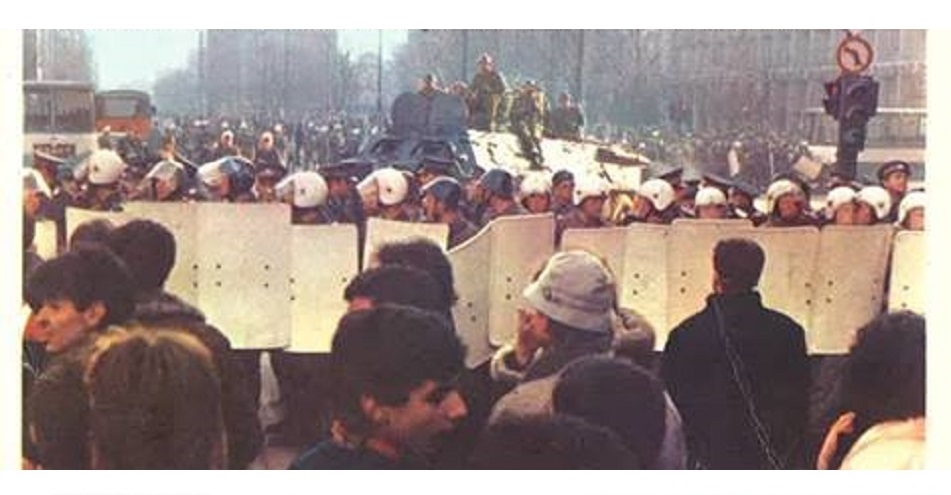
1. În Decembrie 2004, UE a adoptat Regulamentul 2252/2004 privind standardele pentru elementele de securitate şi elementele biometrice integrate în paşapoarte şi în documente de călătorie emise de statele membre. 2. În Iulie 2006 Parlamentul României a adoptat Legea nr. 279/2006 privind personalizarea centralizată a paşapoartelor cu date biometrice. 3. În Iunie 2008 Guvernul României a adoptat Ordonanţa de urgenţă 94 cu privire la implementarea paşapoartelor biometrice, ordonanţă care abrogă legea 297/2006. 4. În Noiembrie 2008 Parlamentul României aprobă legea 298/2008 cu privire la interceptarea convorbirilor telefonice şi a internetului. 5. Pe 4 Decembrie 2008 Guvernul României adoptă Ordonanţa de urgenţă nr. 207 privind regimul liberei circulaţii a cetăţenilor români în străinătate, stabilind tipurile de paşapoarte eliberate de statul român, paşapoartele biometrice trebuind să aibă amprentele digitale ale titularului, urmata de Ordonata 1566/2008 din 15 Decembrie 2008, prin care se institutie indroducerii obligatorie a acestor pasapoarte începînd cu 1 Ianuarie 2009. 6. Pe 12 Decembrie 2008 UE a adoptat un raport (A6-0500) prin care se prevede, în cazul paşapoartelor biometrice, obligativitatea furnizării amprentelor, care vor fi stocate pe un cip. 7. Pe 14 Ianuarie 2009 Părintele Justin a lansat apelul către credincioşii din România; apelul a fost publicat trunchiat în Cotidianul pe 15 Ianuarie, şi integral în Ziua din 16 Ianuarie. Au urmat o serie de articole în presa centrală şi locală şi dezbateri televizate pe tema cipurilor şi controlului total. 8. Pe 21 Ianuarie 2009 a fost publicat pe internet, şi apoi, parţial sau integral, şi în presă, studiul pr. prof. dr. Mihai Valică despre cipurile electronice din acte şi pecetluirea apocaliptică. 9. Pe 22 Ianuarie 2009 a avut loc prima dezbatere publică, la AZEC, pe marginea Apelului Părintelui Justin şi a actelor biometrice, prin care se incearca eludarea Chemarii Parintelui si ingroparea problematicii in vederea disiparii responsabilitatii autoritatilor Bisericii Ortodoxe Romane. 10. Pe 27 Ianuarie 2009 a fost postat pe internet apelul monahilor români de la Schitul Lacu pentru susţinerea Părintelui Justin. 11. Pe 28 Ianuarie 2009 Patriarhia Bucureştilor a cerut Ministerului de Interne lămuriri cu privire la actele biometrice. 12. Pe 30 Ianuarie 2009 a aparut un nou Studiu de specialitate împotriva actelor biometrice, preluat si difuzat de Asociatia Civic Media. 13. Pe 1 Februarie 2009 are loc în Piaţa Unirii din Bucureşti prima demonstraţie publică împotriva actelor electronice, realizata de recent infiintaa Coalitie Impotriva Statului Politienesc. Majoritatea presei a prezentat evenimentul. 14. Pe 4 Februarie 2009 are loc în Piaţa Victoriei din Bucureşti a doua demonstraţie publică, in urma careia se depune la Guvern un Memoriu impotriva pasapoartelor biometrice semnat de 10.000 de persoane si Studiul preluta de Civic Media. Deşi numărul de participanţi a fost mai mare, majoritatea presei a trecut sub tăcere evenimentul. 15. Pe 4 Februarie 2009 Primăria Bucureştiului adoptă hotărîrea de a implanta cipuri la toţi cîinii şi toate pisicile din Bucureşti, cu sau fără stăpîn. 16. Au loc mai multe conferinte de informare si constientizare asupra problematicii in toata tara. Semnaturile de pe petitiile on line si cele olografe se ridica la peste 50.000. 17. Pe 10 Februarie 2009 Comisia de apărare a Camerei Deputaţilor a avizat favorabil ordonanţa privind introducerea paşapoartelor biometrice. Singurul care s-a împotrivit a fost deputatul PSD Georgian Pop, pentru că datele personale de pe cipul pe care îl conţin pot fi modificate de hackeri. 18. Pe 11 Februarie, la Curtea de Apel din Bucureşti Coaliţia Impotriva Statului Poliţienesc a contestat în instanţă Ordonanţele de urgenţă ale Guvernului României cu privire la actele biometrice prin Casa de Avocatura Mihai Rapcea si alti peste 5000 de intervenienti din intreaga tara. 19. Pe 12 Februarie 2009, Senatul României a adoptat, cu 63 de voturi pentru şi 2 împotrivă, Ordonanţa de guvern 184/2008 pentru introducerea cărţilor de identitate biometrice, începînd de la 1 Ianuarie 2011. 20. Pe 18 Februarie 2009, Curtea de Apel a respins ca “neintemeiate” cele peste 5000 de cereri de suspendare a Ordonantei de urgenta adoptate fara consultare publica, dupa cum prevede chiar si Uniunea Europeana. Coalitia a declarat recurs si se va judeca mai departe cu Statul. 21. Pe 19 Februarie 2009, Sinodul Mitropolitan al Clujului, Albei, Crişanei şi Maramureşuluiia o Hotarare memorabila in care face aminteste ca Guvernul precedent a incalcat prin Ordonanta 1566/2008 normele democratice si face Apel la autoritati si la Presedintele Romaniei pentru redresarea situatiei afirmand printre altele: “Argumentul că acest sistem de supraveghere contribuie la identificarea şi urmărirea delicvenţilor constituie o ofensă la adresa întregului popor român, care nu poate fi tratat ca o bandă de infractori. Dimpotrivă, acest sistem de supraveghere e un atentat la libertatea şi intimitatea oamenilor, drepturi consfinţite nu numai de legile civile, ci şi de normele religioase”. 22. Pe 18 si 19 Februarie 2009 se anunta in conferinte publice la Brasov si Bucuresti aparitia a doua noi organizatii care se pronunta impotriva insemnarii biometrice: Actiunea Pentru Educatie si Libertate (APEL) si, respectiv, Asociatiile Laicatului Ortodox (ALO).
Am auzit despre postire multe lucruri spuse fără cumpănire. Cu osebire rostite de oameni grabnici în a ajusta modelul bisericii după cel al propriei neputinţe. Majoritatea afirmă că vremea în care Postul Mare era ţinut după rânduială a trecut. Noi suntem moderni şi de aceea trebuie sa procedăm altfel. Fie ţinând doar Săptămâna Patimilor fie, în cel mai rău caz, doar Vinerea Mare.
De partea opusă sunt de obicei călugării care, asemenea parintelui Serafim Rose, ne învaţă că în aceste vremuri dulcege nu de mai puţin post avem nevoie, ci de mai mult.
Rezultatul? Oamenii se îndreaptă spre mânăstiri când au probleme de viaţă şi de moarte. Sa fi inteles ei mai aspru lectia pe care ne-o ofera Duminicile Triodului, care ne pregatesc pentru postire si care se sfarsesc prin Infricosatoarea Judecata? Sau credinciosii se indreapta natural catre cei care oferind jertfa, primesc har?
Un mic istoric asupra introducerii pasapoartelor biometrice in tarile ortodoxe post-comuniste est europene (si nu numai):
Romania: Protests against biometric passports 11 February, 2009
A few hundred Romanians gathered on 1 February 2009 to protest against the introduction of the obligatory biometric passports starting with the beginning of 2009. The event comes after the first passports with biometric identifiers (including fingerprints) were issued at the end of January in the county of Ilfov, as a first implementation in the country. The decision was heavily contested by several prominent members of the Orthodox Church that consider it as the first step towards the introduction of biometric identifiers in all ID cards, which is a direct action against freedom of religion and freedom of expression or the right to a private life. A few civil society pro-orthodox groups, gathered under the name “Coalition against the Police State”, started on online petition, with more than 15 000 signatures, calling for a stop to the biometric passports and biometric driving licences, until the situation has been properly explained by the authorities. The coalition also organized the event on 1 February in front of the Patriarchy Palace and announced that one lawyer started a civil action in court in order to stop the Government Decision that allows the issuing of the biometric passports. The people protesting presented banners stating: “Let us choose!” or “Support the Church ! Refuse the implant!”. Several speakers expressed their concern that imposing obligatory biometric IDs is an attempt to make humans same as cattle as a first step to Total Control from the state. Others have considered that the new electronic chip contains the number 666, which, in their opinion, means the first step towards the Apocalypse. The extreme right-wing party Noua Dreapta has joined the demonstration with their specific flags. The Romanian Patriarchy Orthodox Church refused to publicly support the events, calling for calm and prayers, but at the same time asked the Romanian Government more information regarding the new biometric passports. An official opinion should be issued after their meeting in 27-28 February 2009. https://www.edri.org/edri-gram/number7.3/romania-biometric-passports-protests
Moldova – More than 700 hold biometric passports July 18, 2008 About 730 Moldovans have been issued with biometric passports until present. The first biometric passport was issued to President Vladimir Voronin this February. The biometric passports are not (yet) mandatory. They are valid alongside the existent passports. The electronic passports with an increased security level were introduced with the aim of making the fight against trafficking in persons and terrorism more efficient and of coordinating the migration processes./REPORTER.MD
Russia – New Biometric Passports With Empty Chips Issued 14 January 2008 The first biometric passports for Russians traveling abroad will be issued this month as Russia joins the world community in its efforts to fight terrorism, the Federal Migration Service said Friday. https://www.moscowtimes.ru/article/1010/42/351349.htm
Biometric passports in Bulgaria from September 2009 Tuesday, 2008-11-25 September 2009 is the deadline for introducing biometric passports in Bulgaria. The European Union has given this time to Bulgaria and the other member states that still do not use the papers with embedded chips. After this date the states will be liable to sanctions different for each country. The grounds for levying sanctions are the delay of the Schengen legislation development as this legislation is the main defender of the Union`s borders. Experts think that fines can reach as high as couple of thousands of euro a day if deadlines are not kept. https://news.guide-bulgaria.com/News.aspx?5334=Biometric_passports_in_Bulgaria_from_September_2009
Belarus – to unified information center December 2008 Implementation of plastic documents will not only speed up Belarus’ entrance into the international document flow, but will also solve the “one entry service” problem, indicated Alexander Kurlypo, deputy minister of finance, while opening the presentation. What is required for making the new document? Citizen’s passport data, a digital picture, two scanned fingerprints and signature will be submitted to nationality and migration offices equipped with new appliances. Afterwards this data will be handed to unified information center. Visitors to presentation could observe manufacturing of a new sample ID card, demonstrated by Sergei Pliska, director of Republican unitary enterprise “Cryptotech”. First, the paper part is printed on a two-side printer. After thermal processing the paper and plastic parts are alloyed. Electronic chip, the “brain” of the card, is embedded into the document. Intellectual machines read information from the card and… from card holder’s face. At the presentation Sergei Pliska tried to “cross border” with deputy minister’s card but computer displayed: authentication failed. To introduce the new passports, it is necessary to arrange a unified registry, the software for which is being developed in National Academy of science. Yet some components for biometrical passports will be purchased abroad. According to experts, introduction of electronic documents is still more economic than that of paper ones. As for personal expenditures, a biometrical passport is expected to cost within Euro 5–7. (!?) https://www.belarus-magazine.by/en.php?subaction=showfull&id=1131638325&archive=1136548719&start_from=&ucat=4&
Biometric passports to be introduced in 2010 in Ukraine 26 June 2007 The Cabinet of Ministers of Ukraine adopted a decree to set up database and format of new foreign passport for citizens of Ukraine for the purpose of traveling abroad. The new passports are very close to the EU standards and will be introduced in 2010. They will include a non-contact electronic data with passport biometrical data in accordance with international rules, as well as an ID-number of a natural person tax-payer and two digitize images of a person presenter with digitize image of his/her signature. https://soderkoping.org.ua/page14905.html
Georgian citizens to use biometric passports 14.01.09 Citizens of Georgia will be able to use new passports from 2009. The Civil Registry Agency has started working on issuing biometric passports. With the new passports, complete identification of person will be able. Taking of the passports by Georgian citizens will be voluntary. The biometric passports will have several distinctive details form the old ones. A special microchip that will contain electric, photo and fingertip, together with personal information will be installed in the cover of the passport. Another page may be added to the passport where information about iris of the owner will be placed. Twenty-six countries use biometric passports already and twenty more countries will join them until 2010. Citizens of Georgia will presumably be able to use the biometric passports from September 2009. https://www.rustavi2.com/news/news_text.php?id_news=29736&pg=1&im=main&ct=0&wth=
Serbia: EU and the Schengen Zone January 30, 2009 The issuance of new ID cards and new biometric passports for Serbian commenced citizens in April and August last year respectively. However, citizens are facing some problems. Although the Serbian Interior Ministry accepted and applied by most of the recommendations proposed by ombudsman Sasa Jankovic, there are still problems that cause dissatisfaction of citizens, and great damage in the form of lost time and violations of other rights. Jelica Tapuskovic has more. New documents of citizens of Serbia are one of the conditions for faster inclusion of Serbia on the white Schengen list. New documents include biometric data and microchips containing all relevant data of citizens. The predicted timeline for the issuance of a new identity card is 15 days, while the new passports are issued within 30 days at most. https://glassrbije.org/E/index.php?option=com_content&task=blogcategory&id=15&Itemid=28
In 2007 the Serbian Church followed the pattern of similar protests in 2000-2002 within the Greek and Russian Orthodox Churches, when their respective governments attempted to institute compulsory electronic ID cards and tax numbers. Many church members raised objections to having an object – the “smart chip” – on their ID cards tied to data to which they didn’t have free access. They also were wary of having their personal data centralized in electronic form and available to unspecified third parties. https://www.wnd.com/news/article.asp?ARTICLE_ID=53945
Introducing biometric passports is the key condition set by the European Union to Bosnia for cancelling the visa regime. Although the biometric system was initially supposed to be ready by the end of 2008, and then the deadline was pushed back to the first quarter of 2009, it seems that it will take much more for biometric passports to reach the Bosnian citizens.According to the Citizen Identification Protection System (CIPS) Implementation Directorate, they are not expected before late 2009.Bosnia will thus be among the last countries in the region to introduce biometric passports.A biometric passport is a combined paper and electronic identity document that uses biometrics to authenticate the citizenship of travelers. The passport’s critical information is stored on a tiny computer chip, much like information stored on smartcards. Like some smartcards, the passport book design calls for an embedded contactless chip that is able to hold digital signature data to ensure the integrity of the passport and the biometric data.
Montenegro – The Mirage of Schengen Zone
FROM THE STATE RESIDENCE “VILLA GORICA”, PODGORICA
MAY 9, 2008
During the official ceremony which took place at 12:00pm noon at the State Residence “Villa Gorica”, Prime Minister Đukanović was accompanied by Mr. Jusuf Kalamperović. In his speech, the Minister of Interior underscored that the issuing of this new biometric passport — which going to replace the Yugoslav passport carried by Montenegrins since the mid-1990s — is an important pre-condition for joining the Schengen zone, which will soon allow every citizen of Montenegro visa free travel in 24 European states — 22 European Union Member States and 2 associated States, Norway and Iceland. https://www.njegoskij.org/article376.html
Albania Issues New IDs, Biometric Passports Tirana 16 January 2009
Albanians rushed to apply for new identity cards and biometric passports, a key requirement for future visa-free travel to the EU. The new documents are seen as crucial to avert election fraud in the upcoming parliamentary election in June. They have also been one of the conditions of the European Union before it will include Albanian in its ‘White Schengen List’ that allows visa-free travel to and within the bloc. “Albanian citizens are getting now first-class documents, allowing them to travel more freely abroad,” Prime Minister Sali Berisha said on Monday, when officially oping the application process. Thousands rushed in Tirana to municipality offices on Monday to apply for the new documents. Government workers must apply by February 25, or they won’t be able to draw their wages. Pensioners have until March 25 to put in their applications, while students will not be allowed to sit their final exams this year if they haven’t applied for the new identity cards in the meantime. The new IDs cost 10 euro, while for the new biometric passport Albanians will pay 60 euro. The opposition Socialist Party has asked that government to subsidize the process for certain social categories as students and pensioners who would find the amounts too steep, but deputy Interior Minister of Ferdinand Poni said last week that value-added tax had already been deducted by the new documents to make them cheaper.
Greece to enter the U.S. visa waiver program in 2008 or 2009? February 8, 2008 at 07:43 · Filed under Greek passport The U.S. departments of State and Homeland Security completed a visitation to Greece that included meetings with the Ministries of Interior, Justice and Foreign Affairs. Greece refused to sign the same preliminary draft agreement in April 2008 that eastern European countries signed to enter the program. Then on May 27, a U.S. delegation was again in Athens to meet with Greek counterparts to conduct bilateral talks. Greece was the first and only country to have received a formal nomination to the current visa waiver program since Bush signed a law in August 2007 enabling new countries to join VWP, which has been frozen since 9/11. *Update* “Greek citizens still need visa to the USA” – October 11, 2008 Greek citizens with only a Greek passport still need a visa to visit the USA. Go to the U.S. Embassy in Athens “Non-immigrant visa” section to make an appointment and apply. Does the United States discriminate against Greece? It is a commonly held belief that the United States discriminates against Greece by not allowing it in the VWP, thus earning it the designation of being the only EU country not in the program of the first 15 members. But is that true? Take a look at the timeline. VWP and Greece Timeline Pre-1986: The Visa Waiver Program (VWP) does not exist. All visitors to the USA need visas, except Canadian, Mexican and Bermudan citizens. 1987: The USA tests the VWP with a few countries. Primary criteria are: a) Centralized passport security; b) no more than 3% refusal rate of those applying for non-immigrant visas; c) reciprocal program with the USA; d) low rate of overstays and violations of non-immigrant visas, and e) internal security and political stability. 1998: Of 20 countries in the VWP, 13 of 15 EU countries had qualified and entered. 1998: Greece is invited to join VWP, provided it meets the same requirements demanded of all countries accepted to the program. Deadline is 1999. 1999: Greece fails to centralize the passport issuance system, which is a primary VWP requirement, in addition to scoring poor marks in internal security regarding terrorism. Without strict control and accurate records of blank passports, stolen Greek passports make it into the hands of Iraqis sneaking over the Mexican border into the U.S. and criminals trafficking Eastern European women into Western Europe (see source list for a number of articles). 2000: The National Commission on Terrorism advises the U.S. to consider sanctions against Greece for “not cooperating fully on terrorism.” U.S. Ambassador to Greece Nicholas Burns recommends against sanctions and instead concentrates on bilateral relations and cooperation. September 2001: The attack on 9/11 halts VWP. There is no U.S. Congress consensus on how or if the VWP will continue to shrink, expand or exist. June 2002: Failed bombing in Piraeus finally leads to first arrest of November 17 members, after 27 years of terrorism and assassinations. 2002-2003: Law requires that the newly established Department of Homeland Security (DHS) review a country every two years for continued participation; Argentina and Uruguay are booted from VWP. 2003-2006: Five bombings and one assassination attempt by Revolutionary Struggle are carried out; added to EU terrorist list in 2007. 2004: EU sets security guidelines for all passports issued in member states, which includes Greece, namely that they be biometric. Greece makes no move to meet new guidelines. October 2005: New U.S. VWP passport requirements take effect: a) All passports issued before October 2005 must be machine readable; b) all passports issued after October 2005 must be machine readable and a digitized photo OR be biometric. October 2005: New Greek passports continue to be issued and renewed without digitized photos and are not biometric. January 2006: Greece announces it will comply with 2004 EU security guidelines, but the procedure for passport issuance is not ready. February 2006: The United States announces that all passports issued or renewed after October 2006 must be biometric to meet ICAO standards; this mirrors EU security guidelines. September 2006: Greece begins issuing biometric passports, two years after the EU and seven years after the VWP deadline had passed. October 2006: New biometric passport requirement takes effect for the United States. October 2006: EU suggests that members not in VWP retaliate by forcing American diplomats to secure visas; Greece does this by early 2007, instead of organizing police stations to contend with the demand for passports. January 2007: Deadline set by Greece for all citizens to have/use biometric passports. Backlog and procrastination make it difficult for Greek citizens to comply. January 2007: Rocket attack on U.S. Embassy in Athens August 2007: Bush signs a law directing Homeland Security to enact a VWP pilot program to admit up to five countries cooperating with the USA on counterterrorism, and change the non-immigrant visa refusal rate from 3% to 10%. September 2007: DHS announces “progress has been made,” and Greece is nominated as the first of five countries to “possibly” enter the VWP. April 2008: Greece backs out of a draft agreement to enter VWP. October 2008: Greece refuses to cooperate with the United States on disclosing information on terrorism, which is required to enter VWP. Sept. 11, 2001 – November 2008: No countries have been admitted to the VWP. Mid-November 2008: South Korea, Hungary, the Czech Republic, Estonia, Latvia, Lithuania and the Slovak Republic enter the U.S. visa waiver program, marking the first time any country has entered since 9/11. November 2008 (post U.S. election): It is widely believed that Greece will enter VWP under the Obama administration, if it agrees to cooperate on the last point. December 2008: Greek riots attracts the world’s attention (mostly negatively), and Greece’s chances of entering the U.S. visa waiver program diminish. As two-thirds of all visitors and tourism income come from VWP member countries, it is not in the United States’ interest to discriminate against anyone and is therefore without motive. It has more to do with Greece’s non-compliance of requirements, ill timing of terrorist attacks in both countries and a VWP freeze on all countries since 9/11. Should Greece enter the VWP, it is not a done deal. It must continue to meet requirements and pass DHS inspection every two years to continue in the program. Related posts “Deksi xeri, sas parakalo” (story of a Greek getting his U.S. visa)“Greek passport.” Sources “U.S. Visa Waiver Program” – U.S. Department of State “Rate of Refusal by Nationality in 2007” – U.S. Department of State “Will Greeks ever enjoy visaless travel?” – Athens News “Expand the Visa Waiver Program to Eligible Countries” – Free Trade “Iraqi with forged Greek passport is jailed” – York Press “Six Iraqis (with Greek passports) detained at Mexican border” – San Diego Union Tribune “21st century slaves” – The Sunday Herald “Migrant women forced into cheap $ex trade” – The Guardian “Iraqi refugee crisis deepening” – Washington Post “Eleventh victim discovered in Superfast III garage” – ANA “Man only helping Iraqis” – Sydney Morning Herald “Landmark ruling boosts political refugees” – BBC “Issuance of Greek passports” – Greek Consulate, Washington DC, USA “Greek and American Perceptions Compared” – Kathimerini “U.S. Visa Waiver Program Passport Requirements Timeline” – Department of Homeland Security Non-Immigrant Visa Stats – U.S. Department of State “EU terror list 2007” Article last updated July 12, 2008
2009 ePassport status: 60+ countries now issuing 30 December 2008 More than 60 countries are now issuing one form or another of electronic passports, with numerous more in the pipeline for 2009 and beyond. The earliest ePassport issued was in Malaysia in March 1998 (see table below). Although this was not an ICAO-standard document, it was trailblazing in many regards. Since 2004 there has been a steady flow of countries joining the ranks of ePassport issuers, with the latest being Taiwan, which began its issuance of chip-based passports on 30 December. The table below documents the countries which have issued ePassports and the official dates (where possible). No doubt we have missed some countries – please let us know and we will add them to our list: [email protected] While it is clear that the initial rump of ePassport rollouts is approaching completion, there are numerous countries still to convert to the new technology, creating excellent opportunities for industry suppliers. (Bear in mind that there are 190 member countries at ICAO.) On top of these opportunities, in many countries the focus now switches to the physical use of the ePassports at the border and the upgrading/replacement of existing documents to include more biometrics, such as the fingerprint (Extended Access Control), or to add new applications, such as trusted traveler. There are also many issues still on the table, such as durability, security, chip speed, operating system selection and so on. All in all 2009 looks to be a busy year for the ePassport community.
Countries issuing ePassports
1 Malaysia (1998.3.1) 2 Dominican Republic (2004.5.1) 3 Pakistan (2004.10.25) 4 Belgium (2004.11.24) 5 Thailand (2005.5.26) 6 Monaco (2005.7.18) 7 Sweden (2005.10.3) 8 Norway (2005.10.3) 9 Australia (2005.10.24) 10 Germany (2005.11.1) 11 New Zealand (2005.11.4) 12 UK (2006.3.6) 13 Japan (2006.3.20) 14 France (2006.4.12) 15 Singapore (2006.4.29) 16 Iceland (2006.5.23) 17 Austria (2006.6.16) 18 Portugal (2006.7.31) 19 Denmark (2006.8.1) 20 USA (2006.8.14) 21 Spain (2006.8.14) 22 Finland (2006.8.21) 23 Holland (2006.8.26) 24 Greece (2006.8.26) 25 Lithuania (2006.8.28) 26 Luxembourg (2006.8.28) 27 Slovenia (2006.8.28) 28 Poland (2006.8.28) 29 Hungary (2006.8.29) 30 Czech Republic (2006.9.1) 31 Russia (2006.9.1) 32 Andorra (2006.9.1) 33 Switzerland (2006.9.4) 34 San Marino (2006.10.12) 35 Ireland (2006.10.16) 36 Liechstenstein (2006.10.26) 37 Italy (2006.10.26) 38 Somalia (2007.1.21) 39 Hong Kong (2007.2.5) 40 Brunei (2007.2.17) 41 Cambodia (2007.3.6) 42 Macedonia (2007.4.2) 43 Estonia (2007.5.22) 44 Ukraine (2007.6.1) 45 Iran (2007.7.1) 46 Venezuela (2007.7.1) 47 Maldives (2007.7.26) 48 Nigeria (2007.8.17) 49 Latvia (2007.11.20) 50 Bahamas (2007.12.5) 51 Senegal (Dec 2007) 52 Republic of Moldova (2008.1.1) 53 Slovakia (2008.1.15) 54 South Korea (2008.3.11) 55 Qatar (2008.4.20) 56 Montenegro (2008.5) 57 India (2008.6.25) 58 Serbia (2008.7.7) 59 Turkmenistan (2008.7.10) 60 Ivory Coast (2008.7.30) 61 Malta (2008.10.8) 62 Republic of China (Taiwan) (2008.12.29) …si, fara voia Dvs, Romania, de la 1.01.2009
A selection of future projects
Canada: has recently introduced biometrics in the use of passports with the help of digitized photos. The future passports may contain a chip that holds a picture of the person and personal information such as name and date of birth. In the 2008 Federal Budget, Jim Flaherty, Minister of Finance announced electronic passport will be introduced in 2011. Croatia: On 12 December 2008, the Croation Government reportedly announced that an electronic passport will be introduced from 1 July 2009. India: On 25 June 2008 the Indian Passport Authority issued its first e-passport to the President of India. This is the first phase of deployment in the country and will be initially restricted to Diplomatic Passport holders. It is expected to be made available to ordinary citizens from September 2009 onwards. The Philippines: The government announced its intentions of implementing the issuance of biometric passports by the end of 2008. The passport will bear the same features with the MRP passports that were previously issued, with the addition of the page that contains the microchip for the passport. Israel: Israel is expected to start issuing its new electronic ID card before the end of next year. This follows the signing of a contract today by the Israeli Ministry of Interior and a consortium led by HP Israel. The biometric enrolment solution will be implemented within the 2009 timeframe, and, crucially, will also serve the country’s planned ePassport project, also expected to roll out before the end of 2009. Botswana: A contract was awarded to Giesecke & Devrient (G&D) for the manufacture and delivery of 150,000 electronic passports (e-passports). According to reports it will take two years to implement the system, with passports scheduled for issue to the citizens of Botswana from 2010. South Africa: Trüb announced recently that it won a tender from the South African Government Printing Works to provide the high security polycarbonate date page for South Africa’s new ePassport, set to be launched in Spring 2009.
Situatia romanilor din Italia e cam Maroni. Viol, viol!, striga babele din presa italiana, doar-doar vor primi satisfactie. Toti romanii urla, canta (manele) si violeaza, pe banda, italience oarbe, mute si oloage. Haideti, frati de Ram, chiar asa?! Noul scandal inventat unde a intarcat romul Roma risca, din nou, sa inflameze relatiile bilaterale romano-italiene, dupa ce tocmai am scapat de un altul similar si dupa ce ne-am facut de bafta – bahtalo! – cu ciorile alea de pe afise care acum au devenit bune de muls vacile elvetiene, brune – deh! – si alpine. Stiti ca un roman, de 31 de ani, din Pavia, a fost arestat de “Valentine’s Day” pentru, chipurile, “violarea unei batrane oarbe de 83 de ani”, internata apoi in spital cu o “prognoza rezervata”… Adevarul a ramas insa ingropat in titlurile care au facut valurile de rigoare. In realitate, era vorba de un zidar care tocmai se bucurase de salariul de sfarsit de saptamana si, abtiguit, a nimerit intr-o alta curte. Aici s-a declansat alarma unei masini, de care se sprijinise in cautarea redobandirii echilibrului. Nepoata batranei a strigat la el si l-a amenintat cu chemarea carabinierilor. Omul era atat de trosnit incat nici macar nu s-a straduit sa fuga. A intrat tacticos, ca omul beat, pe prima usa, si a cazut lat pe cel mai apropiat loc plan si moale iesit in cale, patul batranei, ipostaza in care a si fost ridicat de carabinieri. Iar batrana nici macar nu era oarba, ci bolnava de Alzheimer. Deci tancul era bicicleta si nu a castigat-o, ci a pierdut-o. Si e vorba chiar de libertatea lui. Pe scurt, ca intre ziaristi, noi stim prea bine la ce asistam: in Italia, ca si in alte parti, presa este detinuta de o singura mana de oameni, care se intalnesc de obicei la loja centrala, de la Opera, stadion sau alte locante. Afacerea romanilor violatori de babe si a italienilor prea iubitori de sange de tigani, ascunde, dupa parerea mea, o cu totul alta afacere, mult, mult mai grava. Ca este posibila nationalizare a bancilor Italiei sau mai stiu eu ce alta dracie a Guvernului Berlusconi, poate vom descoperi maine. Sau poate nu. Pe fondul reanimarii nationalismului italienilor deranjati de manelistii colorati si taberele lor tipatoare, noul decret dat ieri de Roma, cu vigilentii anti-violatori, vine manusa. Mai mult ca sigur ca maine le va scapa pe jos brigazilor de voluntari o tigara, cam de vreo suta de ori, intr-o tabara de tigani. Si aceasta este, de fapt, o problema cu doua taisuri: 1. De ce ajung tiganii sa fie discriminati in halul asta? 2. Cine este responsabil de identificarea tiganilor/romilor cu romanii? La punctul 1, cred ca putem linistiti sa observam ca toate miliardele de gologani zburati in directia rezolvarii acestei probleme s-au infipt de fapt in dosul unor organizatii pretins neguvernamentale care au devenit sugative de partid si de stat ale Romaniei, Europei sau ale unor “filantropi” cu mari interese politice si financiare, ca alde George Soros. La punctul 2, avem de a face cu o politica de deromanizare internationala a poporului nostru, inceputa de specialistii anti-romani sovietici si desavarsita de continuatorii lor din Guvernele post-comuniste. ZIUA a mai aratat ca termenul rom a fost impus cu de-a sila, de ocupanti ai statului adusi cu pluta de Iliescu si Brucan. Treptat, dupa cum se vede astazi, romanul a devenit rom, limba tiganilor romani si tara noastra Rromania. Presa neprietena Romaniei – sau mai precis patronii acestei prese – ca si unele state vecine la fel de dusmanoase din motive de frustratre si ratare istorica, au contribuit din plin la impamantenirea acestei suprapuneri. De aici ar trebui, dupa parerea mea, sa porneasca dificila misiune a ministrului Cristian Diaconescu si, in fond, a statului roman, de salvare a romanilor din strainatate, indiferent de etnia lor. Daca tiganii vor fi lasati sa fie tigani, conform culturii si traditiei lor strabune, si sa se autodefineasca asa cum sunt, ca popor migrator, dupa cum sustin, problematica lor ar trebui sa devina una europeana, nu exclusiv romaneasca, dupa cum se intampla azi. Si atunci ar fi rezolvata de Bruxelles, ca d-asta dam bani de ne uscam unei Uniuni care, pana acum, ne arata doar dosul. De partea cealalta, daca romanii ar fi cunoscuti asa cum sunt, cu valorile lor nationale si inteligenta lor inter-continentala si nu cu toate esecurile subculturale, girate chiar de stat, atunci ne vom bucura de respectul cuvenit. Daca statul nu reuseste, poate e cazul sa devenim noi mai vigilenti. Continuarea la Romul nu e chiar roman si nici Roma Rromania de Victor RONCEA
Parintele Melchisedec Velnic, staretul manastirii Putna, in predica la sarbatoarea “Sfintii Trei Ierarhi”:“Noile acte cu cip ne ingradesc libertatea noastra. Sa luam aminte sa ne pastram identitatea si demnitatea! Sa spunem la vremea potrivita un NU hotarat pentru a nu primi ceea ce nu este dupa Dumnezeu, pentru a nu primi ceea ce ne alunga pe noi de Dumnezeul nostru!”
 February 22nd, 2009
  VR
VR 

 Scurt istoric al problemei actelor biometrice în România