Posts Tagged ‘pasapoarte biometrice’

DESPRE CIPURI ŞI ALTE ARME LETALE… Un fost detinut politic timp de 15 ani explica deputatilor de azi de ce trebuie sa respinga actele electronice

Astazi, 6 mai 2009, intre orele 10 si 14, APADAR, membra a Coalitiei Impotriva Statului Politienesc, organizeaza un miting impotriva adoptarii Ordonantei nr. 207/2008 privind pasapoartele biometrice. In acelasi timp, cele trei Comisii de fond ale Camerei Deputatilor vor dezbate si isi vor da avizul (favorabil sau nefavorabil) cu privire la aceasta Ordonanta abuziva. Va prezint mai jos punctul de vedere fata de insemnarea biometrica, prezentat la una din sesiunile anterioare ale Comisiilor de domnul profesor Radu Ciuceanu, fost detinut politic timp de 15 ani, fost presedinte al Comisiei pentru cercetarea abuzurilor, coruptiei si petitii din Camera Deputatilor, istoric, in prezent presedinte al Institutului National pentru Studiul Totalitarismului.

DESPRE CIPURI ŞI ALTE ARME LETALE…

I. Nici o ţară, nici un regim, nici un grup social, nici un om nu este purtătorul justiţiei absolute şi cu siguranţă nimeni nu va putea îmbrăţişa eternitatea.
Regimul de tristă aminitire bolşevico-stalinist ne-a adus în faţa ochilor o degradare a funcţiei intelectualilor din ţara noastră, precum şi o degradare uniform accelerată a clasei politice văduvită după cele cinci decenii de marile personalităţi care au dispărut în Gulagul comunist, alăturându-se în chip tragic celor peste 100 de milioane de oameni a căror moarte a fost provocată de utopia comunistă.
Ne găsim în faţa unui asalt – provocare, al unui sistem politic mondial, ocult şi străin nu numai de tradiţiile umane dar şi de o morală care trebuie să se impună stăruitor în vremurile de criză de astăzi; considerăm că intelectualii şi reprezentanţii politici de azi nu pot fi furnizorii benevoli sau plătiţi ai unor instanţe politice sau birocratice, în căutarea şi aservirea României unor norme ce sfidează conştiinţa şi credinţa noastră creştină.
II. Nu există o politică a scopului diferită de cea a mijloacelor. Mijloacele fac parte integrantă din scop, având menirea să-i dea valoare înnobilându-l.
În consecinţă orice cale care este instrumentată printr-o atingere a scopului şi foloseşte mijloace nedemne speţei umane, trebuie respinsă în numele moralei celei mai elementare, cu atât mai mult cu cât ne afişăm partizanii unei democraţii cât mai vizibile.
Dacă vrem să schimbăm lumea nu putem face abstracţie de indicatorul moral, dacă condamnăm anumite procedee politice pentru că ele sunt ineficace, trebuie în primul rând să ne gândim dacă ele sunt imorale, exersează forme degradante şi în consecinţă compromit societatea viitorului.
Nu există tortura bună, poliţie bună, nu există o dictatură bună şi cu atât mai puţin genocide dorite, reuşite sau eşuate.
Există numai dorinţa noastră pentru o societate democrată, liberă şi morală. Nu se respectă principiul proporţionalităţii (deopotrivă principiu comunitar şi constituţional român), prin care să se exprime proporţionalitatea între scopul urmărit şi măsurile necesare pentru îndeplinirea acestuia.
Respingem cu înverşunare orice grup politic care deţine cheia miraculoasă a unei transformări imediate şi automate. Ne opunem categoric oricărei suprimări chiar provizorie în numele libertăţilor reale sau viitoare fără a ne gîndi la imensele pericole, la pierderea unor libertăţi fundamentale pentru om şi societate.
Categoric că violenţa face parte din lumea noastră şi nu nutrim iluzia că ea poate să dispară vreodată.
Ea poate însă, sa fie redusă la cote minime, epurate de pierderi umane sau compromisuri politice majore.
În consecinţă, nu cred că există vreun moment în istoria planetei noastre când intelectualul poate deveni clientul tăcerii şi al abandonului; indiferent de meridianul său el trebuie să gândească că idealul unei societăţi juste nu este al unei societăţi fără conflicte, fiindcă nu poate exista un sfârşit al istoriei fără o exctincţie a vieţii pe pământ.
Misiunea sa este în cele din urmă în a promova o societate în care critica să fie suverană şi liberă, iar apologetica rizibilă. O societate în care persoanei umane să nu îi fie impusă nici o măsură care să atenteze la drepturile şi libertăţile esenţiale care o definesc ca atare, precum dreptul la libertate şi intimitate, recunoscute nu doar de normele civile, ci şi de cele religioase.
Ca atare, ne pronunţăm în consensul unanim al celor care au simţit stigmatele dictaturii de orice fel, că acceptarea unui regim de control naţional sau planetar ar fi similară cu o întoarcere în peşterile din Neanderthal, cu o asasinare vădită şi expresă a condiţiei umane.
Radu Ciuceanu,

Fost detinut politic 15 ani
Fost presedinte al Comisiei pentru cercetarea abuzurilor, coruptiei si petitii din Camera Deputatilor
Istoric
Presedinte INST
Institutul National pentru Studiul Totalitarismului
https://www.totalitarism.ro/

MITUL SIGURANTEI BIOMETRICE. Un expert israelian demonstreaza cat de usor se poate clona un Pasaport Biometric cu cip. VIDEO (Eng)

How easy Is To Clone Biometric Passport embedded with RFID chips
Current Biometric documents are useless. ePassports don’t make much sense without one-only or unequalled biometric passport reader. Let’s face it once and for all, ANY electronic data storage method by which content can be read (e.g. RFID, smart/storage cards, etc.), gives it the obvious potential to be hacked, copied and cloned. There’s a reason why “Random Access”, “Write Only Memory� More..�� (“WOM”) devices have never sound logical. What purpose would there be to store data that cannot be read? Let’s take this one step further. If stored information is designed to be read, then a device must exist with the ability to read the stored information for it to be of any value.
Now, let us apply that simple logic to stored information that’s meant to be read in a widespread application. In this type of application, multiple standardized reading devices must exist in order to always yield the same result from that stored information. As an example, standardization gives us the ability to use our credit cards regularly because each and every point of sale reader is reading the information contained within the card’s magnetic strip in the exact same way.
We must therefore recognize that these same benefits of standardization create reciprocal risks of fraud. Once the ability to read stored information exists, the ability to either reverse engineer the reading process or clone the coded stored information exists as well. What purpose does, a means of identification serve, if we cannot be near certain that it has not been compromised? Further, once that ID has been compromised, how can it be prevented from yielding positive identification where not intended? To illustrate the point, let us use your everyday ATM cash withdrawal as an example. After inserting the card into the ATM, one is prompted to enter the PIN associated with that card. If the correct PIN is entered, even by someone other than the authorized user, the ATM will approve the transaction because its predetermined means of authentication is a combination of a card and it’s associated PIN. As we are well aware, magnetic strip cards and the like can be easily read, thus creating the opportunity for thieves to create a copy of that card. All that’s left is the PIN. For professional thieves, that’s less of a challenge than we’d like to believe.
For years, as technology developers would have it, much effort has been focused on providing more and more secure methods of storing sensitive information, without addressing the root of the problem. Regardless of how securely information is stored, because it is designed to be read, illicit methods by which to read the information will be found. Once that has been accomplished, the ability to create both fake and cloned ID’s exists. ePassport readers are addressing the standards and recommendations of predefined requirements like the Machine Readable Travel Documents (MRTD). In order to make them usable, they must be consistent. If you have a set of identical targets (e.g. ePassports or National IDs or Driving Licenses or Employee cards etc.), breaching one of them is a breach of all of them. Identical electronic device is a single point of failure. It is unfathomable for governments to change their entire population’s ID’s and documents every time someone, somewhere across the globe hacks and clones a single chip.
It would seem as if the only real way to prove you are who you claim you are to an automated system is through the use of biometrics as a means of authentication. Identity theft is exceedingly common these days. The use of biometrics, however, creates a whole new area of concern. When non-biometric security authentication elements are breached, security can be reestablished by selecting new authentication elements. The same cannot be done in an instance where stored biometric information is breached. Biometric information cannot be changed. Our fingerprints, face, retina and all, are what they are. The question we are faced with is how we can truly secure our biometric information. We can change our name or address, but we cannot change our body parts. Turning the human body into the ultimate identification card is extremely dangerous. The possibility of fraud with electronic chips and biometric data should not be underestimated. Exposing or losing biometric property is a permanent problem for the life of the individual, since, as we’ve mentioned, there is no practical way of changing one’s physiological or behavioral characteristics. How do you replace your finger if a hacker figures out how to duplicate it? If your biometric information is exposed, in theory, you may never be able to prove who you say you are, who you actually are or, worse yet, prove you are not who you say you aren’t. The best secrets are secrets that are never shared. Storing those secrets on a readable electronic card from which any simple RF dump reader can extract that information, in the same way as international border readers do, or storing your personal information together with your biometric characteristics on a readable electronic device is like sticking a label with your PIN on the back of your ATM card!
Biometric authentication is a powerful tool, able to bridge the gap between human and machine interaction in everyday instances such as ATM withdrawals, on-line banking and credit card transactions and all sorts of general user authentication. The use of biometric authentication enables a high threshold of security by reducing identity fraud incidences of unauthorized user access. It is also an easy method of authentication from the user’s point of view because a user’s biometric information is always with them. The most critical flaw in the use of biometrics as a means of authentication, however, is that the authentication process cannot work if the subject is a stranger to the system. We’ve already concluded that storing the biometric information on an external device carried by the user, such as a smart card, is far too risky in that it risks losing one’s biometric information forever. Alternatively, databases are breach-prone, and inefficient, especially when used in large scale applications. Databases also require real-time access to be of any value, communication with which may not always be available. Where then can such sensitive information be stored? Furthermore, why risk storing that unique biometric information in a database, smart card, or other external devices to make it useful?
Another problem with common biometric systems is that the most effective way to achieve maximum system matching is to compare biometric images to a template by using raw data. Biometric Encryption is the process of using a characteristic of the body as a method to code or scramble/descramble data. Since these characteristics are unique to each individual, the biometric information readers, cameras and sensors must all yield identical results. Most biometric authentication systems use a similarity score as an internal variable, whereby if enough numbers of starting points are given, it is possible to find the highest point without being trapped by local minima. However, different readers, cameras and sensors, manufactured by different manufacturers, generate ever so slightly different biometrics results. Varying starting results, when encrypted alike, will not yield the exact same decrypted result. Biometric standards can be obtained only if the common information is unconcealed. That, in and of itself, creates system wide vulnerability, and thereby renders the system unsecure. At present, each biometric scanner’s vendor generates their own encryption method. Raw biometric data is critical data. It should not be exposed or stored in public space. As difficult as it might be to create a secure standard for identical encryption paths, it is seemingly not possible to create standards for non-identical encryption paths. Overcoming the encryption matching hurdle is the see-saw that creates the security blind spots because the template can be tapped during the authentication process.
Traceable biometric authentication systems extract features from scanned biometric elements and pattern match it with an enrolled template. Theoretically, a system cannot authenticate strangers to its data store. The other side of that theory is exactly where the hackers look. The inability to “recognize” strangers is an opportunity to breach the authentication barrier. If a biometric authentication system has a blind spot, it can then be take advantage of and used to clone or rob ID. It also means that when the real ID owner will try to use their legitimate ID, they might find that they have been revoked from the system without understanding why. An electronic chip that contains identity elements is only one of the many threats facing traceable biometric authentication systems. Template leakage is an even bigger problem because once that information is gotten a hold of, the ability to prevent illegitimate copies and “fake originals” of legitimate ID’s is gone unless the template is changed. Any change to the template requires changing ALL associated ID’s, just as is the case when a “master key” is lost. The only solution is to change the key and distribute new keys to all who use it. Can one possibly imagine if such an instance were to occur with Driver’s Licenses? Now try to imagine if it were to happen with Passports. Unfathomable! At least with keys, the ability to change the template or lock is not ideal, but possible. That is not the case with biometrics as biometric elements are with the individual for life. …Dear security decision maker, how can you sleep at night?
People want to be able to draw a circle around their personal information, and do not want parts of their body electronically stored in databases. Our system of government tells us that we are entitled to control all that falls inside this circle; we ought to be able to regulate how, to whom, and for what reasons the information within this circle is disseminated. Some people object to biometrics for cultural or religious reasons. Others imagine a world in which cameras identify and track them as they walk down the street, following their activities and buying patterns without their consent. They wonder whether companies will sell biometric data of their body parts the way they sell email addresses and phone numbers. People may also wonder whether a huge database will exist somewhere that contains vital information about everyone in the world, and whether that information would be safe there. Cloneable, traceable or collectable biometric systems could be designed to have the capability to store and catalog information about everyone in the world. The violation of privacy created by the collection of biometric data creates a prophylactic paradox; the bigger the privacy violation, the farther away it moves away from its intended goal.
How then can the power of biometric authentication be made useful without bumping up against these numerous serious challenges?
Innovya’s Traceless Biometrics approach, using non-unique remedies and a Real Time Reactive Authentication process solves all such cloneable, deflectable and privacy challenges. The Traceless Biometric workflow uses the time tested photo ID concept, wherein you match a picture to a person, no different than in any typical biometric authentication process. In a very simplistic way, just as in a mirror reflection, anyone can “authenticate” a stranger’s reflection without the need to compare the reflection against any other source of stored information. It does so, however, in a manner that is, as its name suggests, traceless, without storing any biometric data anywhere. Innovya’s Traceless Biometric Authentication process consists of a comparison of only a portion of predetermined biometric elements against the users’ associated access device, wherein the “instructions” for which such portions and their mathematical modifiers are stored on the access device, somewhat similar, in an oversimplified sense, to the PIN on an ATM card. Unlike the ATM card, however, the system will not authenticate unless that specific user is the one seeking authentication because positive identification is derived from biometric elements on the user’s person, and therefore becomes useless without the user. Should the access device be hacked exposing the numerical string derived in the Traceless Biometric Authentication process, an alternative Traceless Biometric Authentication element can easily be programmed and reissued to the user.
Therein lays the essence of Innovya’s novel approach. Innovya has overcome the major challenge of creating a secure and efficient authentication solution that is stronger and less disturbing than electronically cloning human intrinsic characteristics on databases or electronic chips by eliminating them from the equation altogether. Additionally, because only a portion of the total biometric data is used in the process, should that data be compromised, the ability to recreate the biometric element from which it was derived is simply impossible.
Today, most systems are designed to work specifically in place where they are located, like office buildings or hospitals. The information in one system isn’t necessarily compatible with the other’s, although several organizations are trying to standardize biometric data. Once identical information is stored outside of governmental boundaries, the potential of using it commercially is huge, especially by hostile governments that might be willing to pay a lot for these otherwise indiscoverable information elements. Above all the advantages and disadvantages this technology, we will unintentionally be creating ripples in the field of security and privacy.
Adopting traceless guidelines by using real-time reactive authentication process methods for current biometric authentication systems will result in an efficient and unobtrusive authentication solution, wile treating personal privacy as the critical issue that it is. Biometric scanning, not storage, as is necessary for the limited purpose of authenticating a user should suffice. Authentication systems should dismiss all biometric information or traces thereof from the scanning devices immediately after the authentication process, and mustn’t use any external storage systems. Innovya has developed the solution to all of these challenges.

Conclusion
Although there are severe restrictions on collecting, creating, lodging, maintaining, using, or disseminating records of identifiable personal data, there are no legal restrictions on the processing of biometric authentication systems. Biometric authentication processes must be recognized for the risk that they pose, and must therefore be done so only in ways that are Traceless and Anonymous.

The Myth of Biometrics’ Enhanced Security

Authors: Michael (Micha) Shafir and David J. Weiss

Tel-Aviv, Israel. — February 17, 2009
Innovya Traceless Biometric System

PRESEDINTELE Comisiei pentru Drepturile Omului din Camera Deputatilor (PDL) refuza sa accepte Pasaport Biometric sau sa fie amprentat

Cristian Dugulescu (PD-L) nu vrea pasaport biometric si amprentare in masa
Timisoara, 30 apr /Agerpres/ – Deputatul PD-L de Timis, Cristian Dugulescu, vicepresedinte al Comisiei pentru minoritati, culte si drepturile omului, a declarat, joi, la Timisoara, ca nu va accepta sa primeasca un pasaport biometric sau sa fie amprentat.
El a cerut o amanare de 60 de zile pentru adoptarea Ordonantei 207/2008 privind punerea in aplicare a pasapoartelor biometrice, aratandu-se suspicios ca amprentele personale ale milioane de romani vor fi stocate in locuri despre a caror siguranta nu are informatii.
‘Nu stim pe mainile cui pot ajunge aceste amprente. Daca sistemele de pastrare nu sunt suficient de securizate, nu putem fi siguri ca datele nu pot cadea, la un moment dat, in mainile unor raufacatori, ale unor retele criminale, care le pot folosi pentru a acoperi anumite acte infractionale, incriminand persoane nevinovate’, a argumentat Dugulescu. Deputatul a primit sute de scrisori de la persoane fizice si asociatii negivernamentale, care isi manifesta nelinistea pentru faptul ca, potrivit Directivei Comisiei Europene, implementarea acestei legi, a pasapoartelor biometrice, trebuia sa aiba loc in urma unei dezbateri publice, fapt care in Romania nu s-a intamplat in perioada guvernarii precedente.
Pana in 15 iunie, vor avea loc consultari cu locuitorii din fiecare colegiu, pentru a vedea daca acestia vor sau nu pasapoarte biometrice, eventual, pentru a-si exprima optiunile si obiectiile cu privire la aceste documente.
‘Uniunea Europeana ne-a impus sa avem astfel de pasapoarte electronice, dar vrem ca legea sa iasa intr-o forma care sa-i serveasca cetateanului, si nu sa fie impotriva sa si sa nu ofenseze libertatile umane’, a conchis deputatul. AGERPRES/(Otilia Halunga)

MAI: Pasapoartele biometrice pot fi citite de la maximum 10 cm distanta
Bucuresti, 29 apr /Agerpres/ – Pasapoartele biometrice pot fi citite numai de la maximum 10 cm distanta iar acest tip de documente reprezinta o conditie pentru ca romanii sa poata calatori in spatiul Schengen, a sustinut miercuri Elena Ciocan, director adjunct al Directiei Afaceri Europene din MAI, la prima dezbatere in comisiile parlamentare a ordonantei care introduce acest gen de pasapoarte. NOTA MEA: Si Elvetia, care face Referendum pe 27 Mai, ce o sa faca, daca rezultatul va fi, cel mai curand, IMPOTRIVA? Nu vor mai putea elevetienii sa calatoreasca in spatiul Schengen? Extraordinar…
Potrivit Elenei Ciocan, cipul care contine datele biometrice, adica imaginea faciala si amprentele, este introdus in interiorul pasaportului, fiind protejat de patru folii, ceea ce face posibil ca el sa fie citit de la maximum 10 centimetri distanta si numai daca pasaportul este deschis. NOTA MEA: Da, da! Pai hai sa vedem cum au fost clonate de pe strada unele:


‘Referitor la cititoarele detinute de Politia de Frontiera, eu nu stiu daca sunt chiar asa de usor de falsificat, pentru ca acele aparate sunt impuse de UE’, a declarat Elena Ciocan. NOTA MEA: Ha, ha! Cele de mai sus se petrec in SUA pe pasaporate din UK.
Ea a subliniat ca introducerea pasapoartelor electronice este o conditie pe care Romania trebuie sa o respecte, pentru ca cetatenii ei sa poata patrunde in spatiul Schengen. BIIP. MINCIUNA.
Elena Ciocan a mai sustinut ca, din dorinta de a preveni suspiciunile privind utilizarea datelor personale, ordonanta de urgenta prevede ca Directia de Pasapoarte nu are dreptul sa stocheze amprentele si imaginea faciala dupa eliberarea pasaportului. NOTA MEA: Asta-i chiar culmea minciunii si a prostiei – baieti, trimiteti-o la circulatie! Pai daca nu se stocheaza cu ce se compara cele din Pasaport?! Alo, Militia?
‘Directia Generala de Pasapoarte nu va putea stoca aceste informatii, daca o va face o va face cu incalcarea legii. Exista prevederi in Codul penal pentru functionarii publici care incalca legea. Pedepsele sunt intre 2 si 5 ani, mergand pana la 17 ani de inchisoare’ – a precizat Ciocan. NOTA MEA: Pentru folosinta in interes personal, neautorizata, bre!
Obligatia Romaniei, a mentionat ea, era sa adopte o lege in acest sens pana la 1 ianuarie 2007, iar fotografia faciala trebuia inclusa in pasapoarte pana in decembrie 2006, in timp ce amprentele digitale trebuie inserate pana in iulie 2009. Romania fiind restanta la aceste capitole, a fost declansata procedura de infrigement, motiv pentru care s-a adoptat OUG si nu s-a redactat un proiect de lege, a aratat Elena Ciocan. NOTA MEA: Obligatia Romaniei – adica a statului – era sa-si informeze cetatenii, pentru ca fara ei nu prea ai… Romanie!
Ea a amintit ca termenul pe care ni l-a acordat Comisia Europeana pentru a finaliza eliberarea pasapoartelor electronice la nivelul intregii tari este 1 decembrie 2009. n momentul de fata, sunt emise doar 786 de pasapoarte, intr-un centru-pilot din Ilfov, a adaugat Ciocan. Saracii…
Oficialul Ministerului de Interne a raspuns astfel intrebarilor puse de parlamentarii din comisiile reunite de aparare, externe si drepturile omului din Camera Deputatilor, care au analizat intr-o prima lectura ordonanta de modificare a regimului liberei circulatii, ce introduce pasapoartele electronice.
In favoarea actului normativ amendat astfel incat sa fie asigurata protectia datelor personale s-au declarat deputatii PNL, UDMR si PD-L, in timp ce PSD a sustinut neconditionat adoptarea ordonantei. FALS: Exista deputati PSD, asa cum au fost si senatori, care se impotrivesc!
Democrat-liberalul Sever Voinescu a subliniat ca este important ca legea de aprobare a ordonantei sa prevada toate garantiile privind protectia datelor stocate si ar trebui introduse sanctiuni daca va exista un abuz asupra acestor date. O alta propunere a venit din partea democrat-liberalului Marius Dugulescu, care a recomandat o consultare cu electoratul din colegii, pentru a le prezenta opiniile.
Termenul de depunere a raportului comun al celor trei comisii privind aceasta ordonanta este 14 iunie. (Agerpres)
Sa-i dea Dumnezeu sanatate lui Dugulescu, chiar daca nu e ortodox (sau “militant”, cu ziua desigur)!

CIUDATENII la pseudo-dezbaterea despre Pasapoarte Biometrice de la Camera Deputatilor. Campania anti-cip abandonata de "ortodocsi" si semi-deturnata

Dupa ce oamenii serviciilor si ai lui Daniel au reusit sa submineze asa-zisul “laicat ortodox” – oricum s-ar numi el, ALO sau HELL-O -, in ciuda faptului ca mii de misionari ai adevarului strang semnaturi in tara pentru Referendumul anti-cip lansat de Parintele Justin Parvu, foarte multi soareci de biblioteca au parasit Arca lui Noe, aruncandu-se, inapoi, in mlastina deznadejdii. Pai, daca oricum vine “sfarsitul lumii”, de ce sa mai faca ceva?! Mai bine stau si clevetesc pe dupa bloguri…
In timpul acesta, vrajmasul profita de locurile lasate goale de “luptatorii ortodocsi” cu ziua. Si-si baga el oamenii la inaintare (stiti categoriile: om frumos, om banos, om bengos, om din lotus scos, etc). Si-uite-asa ajung sa se sminteasca chiar si degraba varsatorii de rugaciuni. Din cauza profitorilor.
Cum s-a-ntamplat ieri la Camera Deputatilor. Desi, dupa cum v-am spus, inca de alaltaieri, adevarata dezbatere va avea loc alta data (poate niciodata) iar prezenta “ong-istilor” era de forma, ca sa dea bine pentru parlamentarii din servicii (sau serviciile din Parlament;”nici noi nu mai stim cati suntem”), uite ca dintre “omg-isti” s-au edificat doua-trei specii aparte, ceva mai bine modificate genetic: una care sustinea sus si tare amendamentul Patriarhiei intr-o forma rafistolata artistic (avea tot dreptul: era organizatie ne-guvernamentala, nu ne-patriarhala), alta care isi bagase sub antetul propriu si, marturisesc, dubios, Apelul Parintelui Justin si o a treia care a deformat complet proiectul de Referendum al Parintelui, dand dovada si de ceva lipsa de circumvolutiuni (solicita sa se raspunda cu “da” si “nu” la trei intrebari (!?), dintre care una privea Pasaportul temporar; mare e Gradina Ta Doamne!).
In fapt, avem de a face cu o noua abureala, un atac cu fumigene, la adresa Campaniei declansate, in mod practic, dupa Apelul Parintelui Justin, de Manastirea Petru Voda, urmata de alte manastiri si de doar patru organizatii non-profit: Asociatia Civic Media, Asociatia Victimelor Mineriadelor, Asociatia Pentru Apararea Drepturilor Refugiatilor si Grupul Independent pentru Democratie. Ulterior, ca ciupercile dupa ploaie, au mai aparut zeci de alte grupulete, de la “hello” la “good bye”, caci s-au pierdut rapid pe drum – deh, prinsi cu “sfarsitul lumii” – si, in final, au ramas aceleasi patru, reunite in Coalitia Impotriva Statului Politienesc. Plus Actiunea Pentru Educatie si Libertate, unde mai sunt cateva asociatii si reviste ortodoxe din tara. Aceasta din urma, in special, se consulta regulat cu Manastirea Petru Voda, unde se gestioneaza situatia Referendumului. Nu acelasi lucru se poate spune si despre ciudatii descrisi mai sus, care si-au permis sa deturneze intr-un mod grosier Apelul Parintelui cat si paternitatea asupra propunerii de Referendum, desfasurata cu un singur mesaj, un singur tip de formular si sub o singura autoritate, in intreaga tara: a Parintelui. Foarte grav: folosindu-se, cu profesionalism as putea spune, de capturarea numelui Parintelui Justin. (Ce pacat ca unii uita de ascultare si de sfaturile Parintelui Arsenie!)
Constat cu regret ca, tocmai acum, cand situatia se-naspreste, ortodocsii de serviciu ori s-au culcat pe-o ureche cipuita bine de tovarasii de drum ai lui Dany ori au intrat de-a dreptul in adormire. In acelasi timp, dupa ridiculizarea profesionista a campaniei, din exterior, este de observat ca s-a trecut la etapa (a doua sau chiar a treia) de bulibaseala a ei, din interior. Nu zic ca noi suntem sfinti (mai degraba scosi din filmul “We are no Angels”), dar avem ce altii n-au (nu va zic acum ca sa nu par prea mandru).
Conluzie: slab, tovarasi, slab! Avem si noi vreo 20, 30, 40, 50, ba chiar 90 de ani de lupta cu diversi ciorti, pe care i-am trimis pe rand, sau la gramada, pasol, acolo unde le e locul: na turbinca!
De remarcat perseverenta si abnegatia putinilor, dar celor buni, din strada, atat a credinciosilor, preotilor si monahilor care strang zilnic mii de semnaturi, cat si a bucurestenilor veniti sa le spuna telecomandeputatilor, sa-si bage cipul undeva (vezi VIDEO mai jos).
Si, o veste buna – multumim Doamne! – aterizata drept “avertisment”:
Romania ar putea fi condamnata de Curtea Europeana de Justitie la plata unor amenzi si a cheltuielilor de judecata daca nu va introduce la timp pasapoartele electronice, continand datele biometrice – au sustinut astazi reprezentantii Guvernului in sedinta comuna a comisiilor de specialitate din Camera Deputatilor, dupa cum transmite RRA. Postul oficial de Radio continua: Camera Deputatilor trebuie sa adopte pana pe 14 iunie a.c. ordonanta de urgenta care prevede emiterea de pasapoarte electronice continand date biometrice. Potrivit initiatorilor legii, prezenti astazi la dezbateri din cadrul comisiilor de specialitate, Romania se afla deja in procedura de infringement, pentru ca nu aplica prevederile regulamentului UE in ceea ce priveste introducerea fotografiei faciale si a amprentelor digitale in pasapoartele diplomatice si turistice. STOP. Evident, este o minciuna ordinara, venita de la baietii de care vorbeam mai sus. Romania nu poate fi obligata sa plateasca nimic. In primul rand ca statul nu si-a respectat obligatiile fata de proprii lui cetateni. Ho, bre, statule: intai vine boii de noi si dupa aia carul cu malai! Si cand a fost cu taxa auto ilegala, pusa sa jecmaneasca populatia, contestata total de UE, cum a fost, “initiatorilor” care sunteti?!
Realitatea europeana: Mai multe tari avertizate de UE deja, in alte cazuri, s-au sustras de la orice plata invocand “criza mondiala”. Chiar asa, am si eu, cetatentul turmentat o intrebare pentru domnii guvernanti: pe criza asta, cu tara la pamant, oamenii in somaj, batranii disperati, chiar avem de unde sa dam 1 miliard de Euro pentru “Afacerea Pasapoartelor”?!
Ramane cum am stabilit: exemplul Elvetiei. REFERENDUM!

MITING ANTI-CIP la Camera Deputatilor. Comisiile pentru Aparare si Externe vor sa convinga deputatii sa voteze pentru Pasapoarte si Acte Biometrice

Maine, Comisiile pentru Aparare si Politica Externa din Camera Deputatilor, unde de obicei intra sau sunt bagati “smecherii” vor incerca sa convinga deputatii din Comisia pentru Drepturile Omului sa dea aviz pozitiv pentru Legea Pasapoartelor Biometrice (trecuta ilegal prin Senat). Cele doua comisii ticsite de “baietii destepti” ai serviciilor vroiau sa bage, repede-repede, la gramada, si alte norme pentru acte biometrice, in acelasi pachet. Sursele mele, care sunt mai destepete decat sursele lor, mi-au transmis ca sedinta de maine va fi un bluf. Din motive intemeiate nu se va reuni cvorumul, asa ca nu se va putea obtine vreun aviz. De ochii lumii, au fost invitati – doar ca observatori, ca sa asiste ca niste papagali adica – si niste organizatii neguvernamentale, mai mult sau mai putin ale societatii civile. Atrag atentia public unora care isi depasesc conditia sa nu isi permita sa vorbeasca in numele altcuiva sau despre proiecte pe care nu le stapanesc si nu sunt indreptatiti sa le dezvolte.

Asa ca, daca v-am spus ce se intampla maine, sa nu va puneti mari sperante (si sa dati o bere :).

In schimb, baietii din reala societate civila, vor fi, ca de obicei, (si) in strada: MITING LA IZVOR

Miercuri 29 aprilie 2009, orele 10-14, vis-a-vis de intrarea Camera Deputatilor, Parcul Izvor va avea loc un miting al societatii civile organizat de APADAR. Mitingul va avea ca tema protestul impotriva adoptarii O.G. 207/2008 privind pasapoartele electronice cu cipuri. Protestul se va desfasura simultan cu sedinta reunita a celor 3 comisii ale Camerei Deputatilor, care vor dezbate aceasta Ordonanta de Guvern in vederea avizarii sau respingerii ei.

Precizam ca grupul nostru a organizat miting si inainte de sarbatoarea Sfintelor Pasti, cand cele 3 Comisii nu si-au tinut lucrarile – desi pe ordinea de zi figura sedinta respectiva. Din surse din interiorul uneia dintre Comisii, am aflat ca adunarea respectiva a fost anulata in ultima clipa intrucat persoanele interesate de promovarea acestei ordonante si-au dat seama ca exista o opozitie puternica in randul membrilor comisiilor (datorita informarii si a lobby-ului creat de ONG-urile reunite in Coalitia Impotriva Statului Politienesc) si “riscau” sa se petreaca ceea ce s-a petrecut la Comisia Juridica, si anume ca Ordonanta sa fie respinsa (sa primeasca aviz negativ). Este posibil ca acest scenariu sa se repete si miercuri, nefiind inca fixata ora de intrunire a comisiilor.

Toate aceste aspecte ne indreptatesc sa perseveram in actiunile de protest, in eforturile de informare a cetatenilor precum si a factorilor de decizie (deputati si senatori). Invitati sunt toti cetatenii, ONG-urile si reprezentati ai cultelorpentru a protesta impotriva introducerii pasapoartelor electronice/biometrice si a solicita dreptul de optiune si organizare de referendum.

Persoana de contact: av. Mihai Rapcea, vicepresedinte APADAR, 0727673376
https://www.refuzimplant.blogspot.com/

Vezi si
Implanturi cu microcipuri: răspunsuri la întrebări frecvente (I)

SE POATE: Elvetienii au strans suficiente semnaturi pentru a declansa un Referendum anti-cip. Pe 27 Mai elevetienii spun NU Pasapoartelor Biometrice

Guvernul elvetian vrea sa introduca pasapoarte electronice biometrice, ca si in Romania. Opozantii au colectat insa suficiente semnaturi pentru a declansa un Referendum, transmite swissinfo. Urmariti mai jos cateva aspecte dintr-o dezbatere foarte vie care are loc in Elvetia, chiar acum. Fara ridiculizari, fara minimalizari, fara tampiti. Site-uri neguvernamentale, partide, experti, ziare, inclusiv in engleza, televiziuni cu productii in franceza si germana, cu toate dezbat democratic si responsabil o problema grava care poate afecta prezentul si vitorul cantoanelor. Spre deosebire de Romania, autoritatile din Elvetia au propus introducerea Pasapoartelor Biometrice in martie, anul viitor (2010). Tot spre deosebire de Romania, democratia din Elvetia permite lansarea unui Referendum – chiar daca legea a fost adoptata deja de Parlament – cu conditia de a strange (doar) 50.000 de semnaturi in 100 de zile. Pentru Pasapoartele Biometrice s-a decis Referendum in data de 27 mai, a.c. Sa ne rugam sa iasa NU si sa ne fie de exemplu!

Elvetienii au pornit Campania SPUNE NU

Specialistii elvetieni confirma, in contextul unei dezbateri publice lansate in aceasta tara pe marginea actelor biometrice, aceleasi temeri pe care Asociatiile Ortodoxe incearca sa le puna in vederea opiniei publice si factorilor de decizie politici din tara noastra.
Serge Vaudenay, de la Scoala Politehnica Federala din Lausanne, se arata ingrijorat de exact aceleasi probleme legate de securitatea tehnologiei RFID punctate de studiile independente romanesti realizate de Pr. Valica sau ACESDS. Astfel:
“Criptografia care trebuie sa protejeze amprentele digitale si imaginea digitala a fetei in pasaportul biometric elvetian nu este sigura, sustin mai multi profesori universitari de la Politehnica Federala din Lausanne, potrivit Agerpres. Acestia au atras atentia de luni intregi Oficiului Federal al Politiei (Fedpol) asupra acestor lipsuri si a riscurilor la care se expun utilizatorii.
Autoritatile au primit o delegatie de oameni de stiinta toamna trecuta, dar nu vor sa amane introducerea pasapoartelor biometrice. Un mare numar de personalitati si de ziaristi au asistat la o prezentare relevanta facuta de profesorul Serge Vaudenay, de la scoala Politehnica Federala de la Lausanne, si au putut sa se convinga ca aplicarea biometriei la pasapoarte este cel putin prematura, deoarece copierea amprentelor digitale si a imaginii digitale a fetei se dovedeste a fi un lucru simplu pentru cel care este echipat cu materialul necesar, care este disponibil in comert. Simplul fapt de a lasa pasaportul la receptia unui hotel pentru inregistrare ofera posibilitatea de copiere a datelor sensibile din document; la fel se intampla daca-ti lasi pasaportul biometric timp de cateva minute in mainile celui care ar vrea sa-l pirateze.
Exista un mijloc, care nu este deloc complicat, de procurare a acestor elemente: spargerea securitatii unei baze de date care stocheaza caracteristicile biometrice. Le Temps atrage atentia ca tineri pirati informatici au intrat in baza de date a Pentagonului si ca cea a Departamentului federal de justitie si politie nu mai pune desigur probleme. Consecintele sunt usor de prevazut sustin specialistii citati de cotidianul elvetian: oricine are nevoie de o identitate falsa pentru a comite vreo escrocherie va gasi ca este foarte potrivit sa fure amprentele digitale, chiar si imaginea digitala a unei fete care seamana cu cea a viitorului delincvent; apoi, nu este greu sa fabrici pe un film falsa amprenta digitala si sa lasi urma unui cetatean cinstit la locul unei spargeri sau a comiterii oricarei alte infractiuni. Depistarea delincventilor va fi astfel mai dificil de realizat decat in prezent. Opozantii sistemului pasaportului biometric cer ca Elvetia sa renunte, precum Germania, la ideea unei baze centralizate de date biometrice.” (Semnal primit de la un schit romanesc)

Partide care se opun:

Cross-party committee against biometric passports (German)

Centre-left committee against biometric passports (German)

Safety concerns mark campaign on new passports (ENG)

The campaign over the introduction of electronic passports for Swiss citizens next year is gathering pace ahead of a nationwide vote on May 17.
The justice ministry argues that documents containing biometric details help prevent abuses and facilitate travel abroad. But opponents are critical of the planned central database and want citizens to have a choice between new-style and conventional passports.
The biometric passports include an electronic chip that stores two fingerprints and an image of the holder’s face, and these details will be kept in a central database.
Parliament approved a law last year setting out the legal basis for such travel documents in line with regulations by the European Union.
But a committee including representatives of a broad political spectrum collected enough signatures to force a referendum.
Politicians from the centre-left have raised data protection issues and point to a scandal that rocked Switzerland 20 years ago.
“It emerged in 1989 that police had compiled files on about 900,000 citizens and organisations,” says Margret Kiener Nellen, a parliamentarian for the Social Democratic Party.
History shows that the state is prone to breaching the privacy of citizens from time to time, according to Kiener. She points to a case in Basel last year when local police set up a database that included politicians of Kurdish descent.
« Citizens must not be treated like criminals. »Carlo Sommaruga, Social Democratic Party
Data protection
The committee also warned of the risks posed by a central database containing fingerprints.
“It is not acceptable to store the details of Swiss citizens in a central register. Citizens must not be treated like criminals,” said Social Democrat Carlo Sommaruga at a news conference on Thursday.
Green parliamentarian Daniel Vischer added that the Swiss government was going a step beyond the requirements of the EU in setting up a central database.
He argued that the freedom to travel abroad would not be limited if Swiss voters refused to accept the legal amendment in May, saying the government would have enough time to negotiate an alternative solution with Brussels before March 2010.
Opponents say most Swiss do not need an electronic passport, since an identity card is sufficient for trips within the Schengen zone in Europe, where internal border controls have been abolished.
Nor would strict security would be eased for holders of biometric passports wishing to travel to the United States, according to centre-left campaigners.
Another committee led by rightwing politicians is against the new passports because they see the law as an imposition on Switzerland by the EU and Washington.
What’s this?
Referendum
Preventive
Justice Minister Eveline Widmer-Schlumpf defends biometric passports as a way to prevent abuses.
“It will become more difficult to operate illegally with a passport of another person or a stolen document,” she said at the launch of the vote campaign earlier this week.
Modern technology can protect the passports as well as the data stored on an electronic chip against forgery and abuse,” said Roman Vanek of the Federal Police Office.
The setting up of a central register including fingerprints allows the authorities to minimise the risk of applicants trying to obtain a Swiss passport under false identity.
“The storage of fingerprints is an important preventive measure,” the justice minister said.
Widmer-Schlumpf added that a central database is more reliable and efficient than a multitude of decentralised systems in the 26 cantons and registers kept by about 2,700 local authorities.
She pointed out that biometric passports would help speed up the procedure to obtain passports, in particular in cases of emergency abroad. The costs for applicants and their families would be kept low, she pledged.
« The storage of fingerprints is a preventive measure. »Eveline Widmer- Schlumpf, justice minister
Limited access

About 13,000 passports are reported lost every year, according to officials. Switzerland has issued a total of 3.9 million passports since 2003.
More than 50, mainly industrialised countries, have already introduced biometric passports. The figure is to reach 90 by the end of the year.
Widmer-Schlumpf rejected claims that computer hackers would sooner or later be able to break into the central database and steal confidential information.
She also rejected fears that police would use the data for purposes other than issuing travel documents.
“Only a very restricted number of people have access to the registry. The law says the data must not be used for criminal investigations,” she said.
The new travel documents are a requirement of a European treaty, known as Schengen agreement that became operational in Switzerland in December 2008.
swissinfo, Urs Geiser

Related stories: 12.01.2009 Swiss subject to online screen for US travel * 07.11.2007 EU concerned by Swiss “security loophole” * 29.06.2005 Biometric passports take their time
Vezi si: Biometric passport – fedpol (German, French, Italian)

DOCUMENTAR DESPRE PERICOLUL BIOMETRIEI (IN FRANCEZA)


Ce zic expertii elvetieni: Expert warns e-passports are open to abuse

Plans for a new passport have sparked debate over the inclusion of an electronic chip containing biometric details, and the creation of a central fingerprint database.
Peter Heinzmann, a professor of internet technologies and applications at Rapperswil Technical College outside Zurich, tells swissinfo of the risks posed by the project.
Supporters, including the government and a majority in parliament, argue a European single border treaty, known as the Schengen accord, obliges Switzerland to introduce biometric passports by March next year.
However, a central fingerprint register is not a requirement for participation in the Schengen agreement.
The government says the new travel document will ensure travel freedom and allow visa-free entry into the United States.
But opponents argue that data protection is at stake.
Voters have the final say on the introduction of the new passports on May 17.
swissinfo:
What are the specific features of a central database storing fingerprints?
Peter Heinzmann: A central register with passport information, including fingerprints, has advantages for data administration. It facilitates the identification procedure when replacing missing passports.
But such a record could be used in investigations and it could be an attractive target for hackers and criminals.
Third parties might also want to use the data for their own means. Access to personal details could appeal to credit card companies or airport shops for instance.
swissinfo: Why is a fingerprint register more risky than a database with photos and other personal information?
P.H.: Fingerprints are increasingly used to identify a person, and the possession of such data would allow identity theft, so to speak.
They are the most common means for biometric identification of a person.
An increasing number of systems are equipped with fingerprint readers to identify people. There are buildings and rooms only accessible with the correct fingerprints.
Login to notebooks and other computers might be controlled via fingerprints and customers in department stores could trigger a payment from their accounts using this technique.
swissinfo: How can abuse be prevented?
P.H.: Information security management measures must be applied on several levels. Organisational methods, including a clear policy, the definition of the aim and purpose of the database and a risk assessment are a starting point.
The selection and training of personnel with access to a database is another issue, as well as the control of access to the database and the cryptographic protection of the stored information.
Reviews and checks of security measures, and perhaps even a certification of the achieved security level, might be necessary.
swissinfo: How credible are allegations by opponents of the planned new travel documents that electronic passports can easily be read?
P.H.: There is enough evidence to prove it is relatively easy to read data from the electronic chip in a passport. Videos showing how it is done and information on how to do this are not difficult to find.
I strongly suspect that it will be possible to crack the security barrier of the chips within a short space of time. But admittedly the safety standards of the biometric passports of different countries vary.
To prevent abuse I think the whole system should be thoroughly reviewed.
swissinfo: Some experts tell us that the new passport improves security, others warn it is less secure. How can the citizen decide what’s right?
P.H.: It depends what they mean by security. For some it means ‘counterfeit proof’ so that no other person can copy my passport.
Or that it is not possible to hide another person behind my personal details, for instance inserting other fingerprints, and using a different photo.
For others security is the crucial element in the debate over terrorism in the context of travelling and air transport.
Then there is also the data protection aspect, and whether an unauthorised party could secure possession of personal data and specifically, fingerprint specimens.
Finally, time is a crucial element in discussions about information security. Things that are fairly secure today may become insecure in a few years’ time.
Just consider the possibilities and costs of a personal computer ten years ago, and where we are now.
swissinfo: To what extent are the specialists biased and their perspectives limited?
P.H.: Obviously experts on either side defend their own interests. It is up to every individual to consider the technical and political issues at stake and draw the conclusions.
I’m not sure that the federal authorities have taken into account all the elements on a technical level. It is for instance dangerous to argue a technical system is absolutely secure.
« A degree of scepticism is necessary, but not only towards the authorities. »
swissinfo: Even more reason to be sceptical?
P.H.: A degree of scepticism is necessary, but not only towards the authorities. Their technical insight might appear limited, but they are highly competent in political and legal matters.
It’s precisely the opposite with technical experts who take part in the worldwide debate on biometric passports.
swissinfo: But scepticism specifically towards the state?
P.H.: I don’t consider myself a hardliner on data protection despite my post as vice- president of the Swiss Data Protection Forum.
As a frequent internet user for years, I’m pretty sure that my personal details can be traced to a large extent. Many of us must blame ourselves because we make the data so easily accessible simply by taking part in commercial campaigns, using search engine forums or by participating in internet communities.
I understand the doubts and mistrust of the state. There is plenty of evidence in the recent past to show that regulations have been violated or changed.
Only in February for instance the Swiss government gave in to pressure and ordered a leading bank to hand out confidential client data to the US justice authorities.
swissinfo-interview: Urs Geiser

SECURISTII lui Voronin, premiati pentru introducerea Pasapoartelor Biometrice in Moldova. Urmeaza identificarea biometrica on-line, buletine, implant

În cadrul expoziţiei „Cominfo Moldova-2009”, Întreprinderea de Stat „Centrul de telecomunicaţii speciale” a prezentat şi a lansat un nou serviciu revoluţionar de identificare biometrică on-line prin amprentele digitale.
Solicitat de corespondentul INFOTAG, şeful direcţiei tehnologii speciale, Ghenadie Belinschi*, a spus că tehnologia poate fi utilizată „pentru accesul la diferite resurse amplasate în mediul electronic”. Potrivit lui, doritorii pot „intra” pe portalul guvernului şi să se înregistreze, punînd degetul de scaner. „Amprenta digitală va fi salvată în sistem în calitate de etalon şi în baza acesteia va fi creat un ID – numărul utilizatorului, care se eliberează la înregistrare”, a spus Belinschi. Potrivit lui, serviciul este gratuit atît pentru organizaţii, cît şi pentru oricare cetăţean. Pe viitor, pentru accesul la resursa protejată (serviciul web, portal, sistemul operaţional, deschiderea uşii, semn de intrare/plecare de la serviciu), utilizatorul va trebui doar să pună degetul pe un dispozitiv special. „Această metodă de identificare a persoanei asigură protecţia eficientă împotriva infracţiunilor”, a spus Belinschi.
Acesta a menţionat că în străinătate se dezvoltă activ sistemul de votare electronică. „Pentru a proteja votarea în sistem electronic şi pentru a asigura secretul votului, peste hotare se mai foloseşte metoda identificării biometrice. Acum acest lucru a devenit posibil şi la noi”, a menţionat Belinschi.Infotag precizează: Centrul de telecomunicaţii speciale a fost fondat în 2003. Centrul este un promotor al tehnologiilor IT moderne şi al soluţiilor high-tech în domeniul asigurării securităţii sistemelor şi resurselor informaţional-telecomunicaţinale.
* Acest Ghenadie Belinschi, specialist la ÎS “Centrul de Telecomunicaţii Speciale” a SIS, a fost decorat (în 2008) de către preşedintele Voronin cu medalia “Meritul civic” pentru merite în elaborarea sistemelor informaţionale şi contribuţie la implementarea proiectului de introducere a paşapoartelor cu date biometrice.

45 de mii de cetateni moldoveni inregistrati cu Pasapoarte Biometrice

Peste 45 de mii de cetăţeni moldoveni au solicitat paşapoarte cu date biometrice pe parcursul anului 2008, a declarat pentru BASA-press Angela Chicu, şefa Biroului de presă al Ministerului Dezvoltării Informaţionale (MDI).
Potrivit sursei citate, în Republica Moldova acest tip de paşapoarte a fost introdus aproximativ acum un an, iar printre persoanele care le solicită sînt cetăţenii care muncesc peste hotare, persoanele de afaceri, sportivi şi oamenii care activează în domeniul culturii.
Chicu a precizat că paşapoartele sînt valabile 3 ani pentru copiii sub 14 ani, 5 ani pentru persoanele cu vârste între 14 şi 25 de ani, iar pentru adulţii de peste 25 de ani, paşapoartele au o valabilitate de 10 ani. Taxa pentru a perfecta actele timp de 1 lună este de 1250 de lei, 20 de zile – 1500 de lei, 10 zile – 2000 de lei, 5 zile – 2500 de lei, 24 ore – 2800 de lei, iar timp de patru ore – 3330 de lei.
Sistemul paşapoartelor cu date biometrice a fost elaborat în conformitate cu Planul de Acţiuni “Republica Moldova – Uniunea Europeană”. Începând cu 7 februarie 2008 au fost puse în circulaţie a paşapoartelor electronice cu un nivel sporit al măsurilor de securitate pentru cetăţeni moldoveni, la centrele de documentare a populaţiei ale MDI [Ministerul Dezvoltării Informaţionale]. Primul deţinător de paşaport cu date biometrice eliberat de MDI a devenit la 1 februarie 2008 preşedintele Vladimir Voronin.
Paşapoartele cu date biometrice nu sînt [încă] obligatorii.

Un alt pas spre implant de la nastere: Statul va asigura gratuit nou-născuţii cu “buletine de identitate”

Nou-născuţii vor primi buletine de identitate gratuite, iar procedura de înregistrare a acestora va fi simplificată, din 30 aprilie curent, potrivit unei hotărâri aprobate, la 23 martie, de Guvern.
Astfel, ministerul Dezvoltării Informaţionale va asigura, din 30 aprilie curent, în incinta maternităţilor înregistrarea actelor de stare civilă şi eliberarea certificatelor necesare, precum şi priirea cererilor şi eliberarea buletinului de identitate al cetăţeanului Republicii Moldova pentru copiii nou-născuţi.
Hotărârea are drept scop perfecţionarea sistemului de evidenţă a copiilor, născuţi atât pe teritoriul ţării cât şi peste hotarele ei, asigurând un control automatizat al intrărilor şi ieşirilor din ţară şi completarea Registrului de stat al populaţiei pentru persoanele sub 18 ani, contribuind la prevenirea traficului de copiii.
Potrivit datelor ministerului Sănătăţii, în 2008, în Moldova s-au născut 38 mii de copii.

Sursa: https://www.mdn.md/ Centrul de Monitorizare si Analiza Strategica “Moldova Noastra”

CADOUL de Sf Gheorghe al lui Radu Moraru-Nasul pentru telespectatorii B1TV: Emisiunile contra cip biometric cu Maica Ecaterina, V Roncea, P Sismanian

DE SFANTUL GHEORGHE, Parintele Justin Parvu si Monahul Filotheu de la Petru Voda explica de ce un crestin nu poate primi actele electronice. VIDEO

Pentru mapa deputatului: De ce un creştin nu poate primi actele electronice

Începînd cu 14 Ianuarie 2009, cu apelul Părintelui Arhimandrit Iustin Pîrvu de la Mănăstirea Petru Vodă, a apărut în societatea românească nevoia unei dezbateri publice cu privire la cîteva măsuri legislative luate de autorităţile române – Guvern, Parlament, Preşedenţie. Legea urmăririi convorbirilor telefonice şi a supravegherii internetului, ordonanţele de guvern privitoare la paşapoarte şi cărţi de identitate, introducerea noilor permise auto şi a cardurilor bancare cu cip RFID şi ordonanţele de guvern privitoare la implanturi au ridicat o seamă de probleme peste care nici un creştin nu poate trece. Le enumerăm mai jos.

1. Problema libertăţii
Cîteva citate din Noul Testament vin să lămurească de ce creştinii nu pot primi actele electronice: “Şi veţi cunoaşte adevărul, şi adevărul vă va elibera pe voi. Răspuns-au, şi au zis lui: Sămânţă a lui Avraam suntem, şi nimănui nu am fost robi nici odată; cum tu zici, că liberi veţi fi? Răspuns-a Iisus lor: Amin Amin grăiesc vouă: Că tot cel ce face păcatul, rob este păcatului.” (Ioan 8:32-34)
Sistemul electronic de supraveghere globală este bazat pe neîncredere şi suspiciune, renunţă la prezumţia de nevinovăţie pe care tribunalele trebuie să o infirme în cazul infractorilor. Aşadar, după ce în 2000 de ani de creştinism mîntuirea a fost laolaltă cu sentimentul libertăţii, ni se impune un sistem în care noi şi copiii ce se vor naşte vom trăi cu sentimentul permanentei vinovăţii, permanentei vine de a nu greşi sistemului electronic, cîtă vreme Dumnezeu ne-a dăruit libertatea totală a conştiinţei şi niciodată nu a încălcat-o.
“Iar Domnul Duh este; şi unde este Duhul Domnului, acolo este libertatea.” (2 Corintheni 3:17)
Cîtă vreme aceste acte electronice nu sînt create în numele Domnului, după învăţătura Bisericii, care spune că unde nu este Dumnezeu este sigur diavolul, ele nu pot în nici un caz să slujească libertăţii cu care am fost zidiţi de Dumnezeu. Cazurile de manipulare a informaţiilor personale după bunul plac al celor care au acces la bazele de date personale, pune în primejdie cu adevărat viitorul libertăţii umane. O statistică a numărului de greşeli involuntare şi de abuzuri în gestionarea informaţiilor personale la nivel de stat în întreaga lume ar arăta limpede că vremea libertăţii şi a respectului persoanei se va termina curînd.
Mai mult decît aceste trimiteri precise, implantarea urmăreşte atingerea directă a puterilor sufleteşti. Sorin Ifrim, arestat pentru terorism în luna Mai 2008, în statul Florida (SUA) a scris cuiva din România următoarele: “Unii au platit sa aiba siguranta prin biocip, altii au fost platiti ca si cobai. altii ca mine nu au stiut cind au fost injectati cu biocip, pt ca vedeau / stiau si trebuiau
telecomandati. Cind am iesit din inchisoare am constatat ca am nu unul ci 2 biocipuri [directionale] injectate simetric in stinga si in dreapta sternului. De atunci am frica si confuzie, nu ma pot ruga cum trebuie, am pierdut isihasmul si profunzimea, meditatie si reflectarea, claritatea mintii si a sufletului. Miercuri este procesul cind vor decide cum sa ma opreasca [ inchisoare pina la 15 ani, spital mental sau doar telecomanda ce o am deja].” Aceste afirmaţii vin să certifice faptul că ceea ce se ştia despre progresul tehnologic contemporan devine astăzi realitate: Libertatea cu care oamenii au fost înzestraţi de Dumnezeu să-şi folosească puterile sufleteşti încetează în momentul implantării.

2. Problema chipului lui Dumnezeu
Prin implantarea care se urmăreşte în cele din urmă, se doreşte schimonosirea chipului lui Dumnezeu din om. Cu alte cuvinte, omul fără cip electronic ar fi ne-deplin, ne-desăvîrşit, incomplet. Aceasta este cea mai mare jignire adusă lui Dumnezeu Creatorul şi omului, creaţiei Sale, de cînd există neamul omenesc. Omul este redus de la “slavă a lui Dumnezeu” (după Sfîntul Irineu de Lugdunum – sec. II d.Hr.) la un animal fără drepturi cîtă vreme nu are cip implantat.
A socoti că actele electronice nu sînt un pas intermediar acestui deziderat anti-uman şi anti-hristic este lipsă de realism şi dreaptă judecată.

3. Problema numărului
Introducerea codului numeric personal a fost făcută în regimul comunist fără nici un drept de apel la vreo dezbatere publică. Cîtă vreme evidenţa populaţiei nu s-a servit de ajutorul calculatoarelor, această măsură, deşi jignitoare la adresa creştinului, purtător al unui nume sfinţit prin Sfîntul Botez, poate fi înţeleasă ca ajutătoare pentru o mai bună gestionare de către stat a informaţiilor personale.
Dar de vreme ce implementarea tehnicii de calcul permite astăzi o desăvîrşită evidenţă a populaţiei, în loc ca organele statului să renunţe la acest apendice nefolositor persoanei umane, prin introducerea elementelor biometrice nu numai că sîntem reduşi la statutul de numere în faţa unei maşini, ci toate caracteristicile noastre fizice, unice şi irepetabile sînt transformate în numere unice, adîncind cu atît mai mult prăpastia dintre omul, zidit de Dumnezeu ca slavă a Sa, şi identitatea numerică, implementată de o mentalitate anti-creştină. Din aceasta se arată că cei mai mari prigonitori ai Bisericii din toate veacurile, de la Nero şi Diocleţian pînă la Stalin şi Ceauşescu, au fost nişte filantropi în comparaţie cu sistemul actelor electronic pe care trebuie să îl adoptăm, cu atît mai mult cu cît sîntem deja departe de momentul în care orice conştiinţă creştină se putea întreba dacă nu cumva citatul din Apocalipsa 13:18 “cel ce are minte, să socotească numărul fiarei; că numărul omului este” are sau nu legătură cu actele de identitate.

4. Problema semnului fiarei
Cartea Apocalipsei vorbeşte în capitolul 13 despre cea de a doua fiară cu care se va lupta Biserica, care îi “face pe toţi […] ca să le dea lor semn pe mâna lor cea dreaptă, sau pe frunţile lor, şi ca nimenea să nu poată cumpăra sau vinde, fără numai cel ce are semnul, sau numele fiarei, sau numărul numelui ei.” (13:16-17) Deşi încă din primele zile ale Creştinismului Părinţii Bisericii şi toată suflarea care exista şi-a pus întrebarea despre cine va fi vorbind acest verset, abia la începutul veacului 21 prorocia aceasta se apropie de realitate, fiind la un pas de a se împlini, prin implantare. Cu toate acestea, întrucît Duhul Sfînt a purtat de grijă Bisericii de la Cincizecime, din vremea Sfinţilor Apostoli pînă astăzi, s-a ştiut de către Biserică cine va fi fiara. Sfîntul Ippolit Romanul, pe la anul 200 d.Hr. spune limpede: “Fiara care se va ridica din pământ va fi împărăţia lui Antihrist” (Despre Antihrist), aşadar orice formă statală care va căuta să prigonească Biserica şi să pună în capul statului şi al Bisericii oameni care să slujească diavolilor şi învăţăturilor lor, iar nu lui Hristos şi învăţăturilor Bisericii.
Pedeapsa pe care le-a pregătit-o Dumnezeu celor ce vor primi semnul fiarei este scrisă în capitolul 14 al Apocalipsei: “Oricine se închină fiarei şi chipului ei, şi ia semn pe fruntea sa sau pe mâna sa, şi acesta va bea din vinul mâniei lui Dumnezeu cel dres neamestecat în paharul mâniei Lui, şi se va chinui cu foc şi cu piatră pucioasă înaintea Sfinţilor îngeri, şi înaintea Mielului. Şi fumul chinului lor în vecii vecilor se suie; şi nu au odihnă ziua şi noaptea cei ce se închină fiarei, şi chipului ei, şi cel ce ia semnul numelui ei”(14:9-11)
Semnul despre care vorbeşte cartea Apocalipsei este în limba greacă veche, în care s-a scris la anul 90 această carte, cuvîntul χάραγμα (háragma), care, conform dicţionarelor, este orice semn gravat sau imprimat, întipărit, sau sculptat, cioplit, orice incizare sau implantare.
Trebuie să fim orbi sufleteşte să nu vedem că implantul şi înainte-mergătorul său, cipul din acte, sînt primul şi cel mai serios candidat, după 2000 de ani de creştinism, de a deveni semnul fiarei.
Iar dacă alăturăm lor şi posibilităţile de control al puterilor sufleteşti pe care tehnica o dezvoltă în cazul implantului, înţelegem de ce trăim la timpul prezent unele din ultimele prorocii şi semne din Apocalipsă, care anunţă sfîrşitul istoriei omenirii aşa cum o cunoaştem.

Nu este nici un fior de panică în ceea ce scriem. De 2000 de ani mărturisim în Simbolul Credinţei: “Aştept învierea morţilor şi viaţa veacului ce va să fie”. Aceste fapte se vor petrece întocmai şi creştinii le aşteaptă de 2000 de ani, dar ei ştiu la fel de bine că mai întîi va veni Antihrist şi impărăţia sa, şi vor deveni realitate toate catastrofele prorocite de Apocalipsă, şi apoi va veni Domnul Iisus Hristos pe norii cerului şi va avea loc învierea morţilor.
Pentru aceea, contemporaneitatea cu Antihrist este una din caracteristicile Creştinismului Ortodox, încă din vremea Sfinţilor Apostoli, aşa cum scrie Apostolul iubirii, Sfîntul Ioan Teologul: “Fiilor, ceasul cel de apoi este; şi precum aţi auzit că Antihrist vine, şi acum antihrişti mulţi s-au făcut; dintru aceasta cunoaştem că ceasul cel de apoi este.” (1 Ioann 2:18, 4:3)

Fără să cunoască cele mai multe din prorociile marilor Sfinţi ai Bisericii (pe care şi noi le-am lăsat deoparte ca să scurtăm prezentarea de faţă), unul din Sfinţii închisorilor comuniste, Ioan Ianolide, scrie următoarele rînduri în anul 1985 (!): “Civilizaţia modernă comportă următoarele riscuri: dispariţia vieţii prin dezagregarea atomică militară, ori, pe cale paşnică, prin poluare şi epuizarea resurselor naturale; dispariţia vieţii prin manipularea stavroghiană a ingineriei genetice; dispariţia vieţii prin alienarea oamenilor; tirania absolută prin monopolul tehnicii; transformarea societăţii în temniţă, fermă ori uzină, prin tehnicizare; determinarea conştiinţei prin mijloace tehnice; o lume teleghidată tehnic; anularea omului ca fiinţă liberă conştientă şi stăpînă; dezechilibru ecologic; răzbunarea naturii împotriva tehnicii; un dezastru general, pe care-l îndreptăţeşte căderea omului din harul dumnezeiesc; golirea omului de harul Duhului Sfînt şi dispariţia finalităţii transcedentale”
(Deţinutul profet, ed. Mănăstirea Diaconeşti 2009, pag. 155-156)

Pentru aceea, dorinţa noastră este ca forurile legislative să dea dovadă de maturitate creştină şi să nu permită existenţa în România a actelor electronice, cu atît mai puţin a posibilităţii implanturilor cu cipuri electronice RFID. Încheiem cu un îndemn al aceluiaşi Ioan Ianolide, unul din marii sfinţi ai închisorilor antihristice din secolul XX: “Orice om politic, orice preot, orice filosof, orice artist, economist, om de ştiinţă, pedagog, trebuie să se întrebe cutremurat în ce duh se află, ce duh exprimă, ce operă săvîrşeşte: mîntuitoare sau nimicitoare?” (ibidem, pag. 163)

Monahul Filotheu Bălan
Mănăstirea Petru Vodă, judeţul Neamţ
la pomenirea Sfîntului Marelui Mucenic Gheorghie, Purtătorul-de-biruinţă

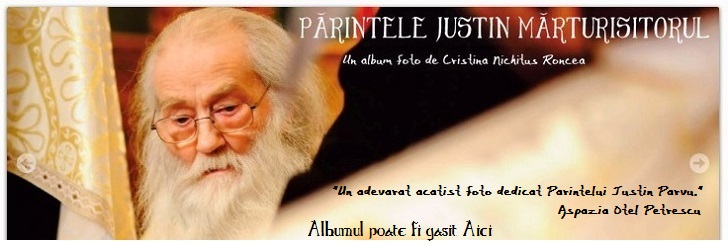
Parintele Justin despre “era cipurilor”

Foto: Cristina Nichitus https://nichitus.blogspot.com/

Video: M Fotini www.petruvoda.ro

UN candidat independent la Parlamentul European care are ce sa spuna: 6 motive pentru a nu-ti da niciodata datele biometrice sau ADN-ul (Eng)

6 Reasons never to give up your biometric data or DNA

1. It permits lazy policing
If you have someone’s record on file, you’re more likely to assume he’s a criminal. And if that DNA matches a sample which has been discovered during the investigation… well it’s jolly tempting to think that you might have your man.
A connected spate of lazy policing happened recently. Having a suspect reduces the search for other explanations and will lead to more evidence being found against the individual (eg no alibi) since we search to validate opinions more readily than we seek to refute them.
Additionally it leads to inquisitorial moments such as this example when the police asked – or is that threatened? – 4,000 men local to a murder to give their DNA ‘voluntarily’, but “if someone does refuse then each case will be reviewed on its own merits.
Now of course that’s also an argument to put EVERYONE on the DNA database instead… so read on, because you’ll like the bit about facial recognition.
2. It does not aim to reduce crime, only to make it easier to solve
The Home Office* website says that “the national DNA database is a key police intelligence tool as it helps to: quickly identify offenders, make earlier arrests, secure more convictions, provide critical investigative leads for police investigations.” Which is to say that police-work takes less time, and more people are convicted. This is jolly good (notwithstanding the ‘lazy policing’ observations above), but this is not the same as bringing the much more useful social benefit of reducing the amount of crime committed.
But could a DNA database reduce crime? Well there’s some deterrence for minor crimes, but bigger crimes are born of passionate intent, and the perpetrator only thinks of the consequences later, if he cares about them at all.
It’s early days with DNA, so let’s look at the promises of another great idea which was going to keep us all safe, only only the very slightest cost to our wallets and liberty, CCTV.
It’s been an utter fiasco: only 3 per cent of crimes were solved by CCTV. There’s no fear of CCTV. Why don’t people fear it? (They think) the cameras are not working.
Detective Chief Inspector Mick Neville, head of the Visual Images, Identifications and Detections Office at New Scotland Yard
Fewer than 1 crime in 30 is solved through CCTV
Dover council introduced CCTV in 1993. After 12 years, they found that burglary in the areas covered had halved, car crime was down 87 per cent, but public disorder and crimes of violence had almost trebled.
A study in Gillingham concluded that crime in the High Street had fallen by a third five years after CCTV was installed, while it was static in areas where there was no CCTV.
A study for the Home Office in 2004 examined 14 CCTV systems, and found that only one had really cut crime. That was in a car park. The others, they concluded “had no overall effect on crime.”Source: Independent.co.uk
So does CCTV reduce crime? Yes, but not by much. And on occasion, by removing the very human desire (even need) for a low-harm crime, it displaces it in into a more serious and socially harmful category. CCTV rarely works for the public benefit, even if judged solely on it’s ability to do its intended job.
*This conjures a completely different image in this teleworking age.
3. We do not know as much about DNA as we’d like to think we do
Not only are our ideas about the uniqueness of DNA false, but as the aforementioned discovery of a 6th nucleotide shows, we do not know what DNA is responsible for. There have been studies claiming correlations with depression, alcoholism, and homosexuality. We don’t have to look too far back in our history (uh oh), or too far in our future, to ponder what kind of rules well-meaning governments will abstract from that.
“We found that 98% of people with this nucleotide on this gene are disposed to violent crime, Sir.”—- “Really? That’s more evidence that we had in Guantanamo! Round ‘em up!”
“And how about this one for alcoholism, Sir?”—- “Three compulsory group sessions per year for awareness training and evaluation!”
4. If they lose it, you can’t request a new PIN
This one’s quite simple. If someone leaves your bank data on a train you can change your PIN number and your bank details can be assigned new random numbers. This is embarrassing and potentially very expensive, but easily fixed.
(As an aside on this same topic, have you noticed how many CCTV cameras film you when you tap in your PIN? Isn’t that therefore open to massive abuse? Because now we have a lot of valid data (correct PIN numbers) which are easily accessed and abused if the intent is there.)
But if they lost your biometric data (retina scans, fingerprints etc) or DNA… well, you can’t change that. If someone can use your genetic and biometric information to pretend to be you, it’s a lot harder to deny. It may seem far fetched to suggest the criminals might leave fake samples around (though they have); but if DNA is too abstract and distant, think on biometrics. We now store and use biometric data in more places, to get in to anything from laptops to buildings. We will most likely be using it more as the technology to do so gets cheaper, because it appears to be more secure. After all, it’s linked directly to me – what could be more unique than my own fingerprint?
There is a logical fallacy here, much like the same one which bought us the arms race. Security can be increased in any number of ways, and the ability to hack that security will increase to compensate. But it is true that better technology can create better security. This is true, but only whilst good, trustworthy people who have access to the technology. People like the police, for example, or the government, who we know never lie or try to cover things up.
So what are we laying on the line for convenience in security? Many measures can be taken to increase security without the need to go biometric.
5. It is financially expensive for the benefits it brings
The social benefits are minimal. But what does it cost? Perhaps the minimal benefits might be worth it.
There are over 4.2 million CCTVs in the UK. Unfortunately I can not find any information about how many of these belong to the government, but it is a lot of them, and public sector ones alone cost billions to install and operate.
As for biometric ID, not only will it cost individuals £72, but on top of that it costs us £5.4 billion (which is more than the ENTIRE POLICE FORCE costs for 1 year). And that’s the conservative estimate. Other studies put it at more like £15-20 billion (which is about the same as the police, the judiciary, prisons, and public safety).
6. It drives a wedge between people and authority, making the problem of security harder to solve
It is the obligation of any government to protect the liberty of its citizens. It should be protecting us from the very laws it is making. Instead, it is alienating us, treating us all as suspects. We should not need to be authorised to exist. We should not need to worry for our safety and our legality if we protest peacefully. We should not need to worry who can track us as we walk through a town.
If you treat someone like a prisoner, they will behave like a prisoner. Resentment will increase against authority, and there will be less cooperation.
The government is collecting the biometric facial data of everyone who applies for a passport. They also have a huge digital CCTV network. Programmers are developing better and better facial recognition systems. How long before this is all tied together? They know who you are, where you are, and can watch what you’re doing. They can watch you protest, and if they don’t like you, they can act. Even against people of conscience who dare to speak up.
Is the government going to come along in the night and round us all up? Well, not yet, we hope. But read this description of plans for a database once upon a time:
The aim is to centralize and analyze data on people aged 13 or above who are active in politics or labor unions, who play a significant institutional, economic, social or religious role, or who are “likely to breach public order.”
The information that can be collected includes addresses, phone numbers, email addresses, physical appearance, behavioral traits, fiscal and financial records, and details about people who have personal ties with the subject.Nazi Germany? North Korea? China? McCarthy America? Nope. This is the Edvige database from current day France.
Why do they do this? Because they want to protect their citizens, and serve them more efficiently and effectively. So this is not an abstraction into a dark distopian future, nor does it require an act of malice, nor a grand conspiracy. If we allow it to happen, it will be because we have slowly, bit by bit, handed over our liberties for the false promise of greater security.
The nightmares of governments turning nasty seem distant. But it happens. More often than we’d like to think, far more quickly than we expect, and yet far too slowly for us to notice it happening.
I’m not suggesting that Great Britain is going fascist, but why put in place a structure which would make the slide into oppression so very, very easy? Why put in place a structure which is of negligible use to a free society, and terrifying to a suppressed one?
Other countries may use ID cards and biometrics more and more, making it seem inevitable. They may start collecting data from people who travel there, and they may pressure us into having biometric documents, but this is Great Britain. We have long been a free country. Millions of us have gone to war to fight and kill to protect the liberty we take for granted, and millions of Britons have given their lives to give you your freedom today. A freedom many of us seem so willing to give up. Were they wrong to fight and die for this? Or have we just become acclimatised to a culture of powerful governments?
Using biometrics and DNA erodes our liberty, freedom of movement, freedom of protest, right to privacy, and right to security. The small amount of crime we have does not justify gambling these hard fought for rights.
We can increase cooperation with authority by not treating us all as prisoners and suspects, and can increase security without using biometric data.
We can, today, make a simple decision that will save us money, increase our security, preserve our liberty, and bring government and the people it serves closer together. We can, if we so wish, say that biometrics will never be a compulsory part of a government issued document, nor stored longer than is absolutely necessary to serve justice.
I am currently running to be an MEP in the South West.

DNA databases require so much regulation that abuse is inevitable.
Anyone who studied a little genetics in high school has heard of adenine, thymine, guanine and cytosine – the A,T,G and C that make up the DNA code. But those are not the whole story. The rise of epigenetics in the past decade has drawn attention to a fifth nucleotide, […]. And now there’s a sixth. […]
[This] suggests that a new layer of complexity exists between our basic genetic blueprints and the creatures that grow out of them. “This is another mechanism for regulation of gene expression and nuclear structure that no one has had any insight into,” says Heintz, who is also a Howard Hughes Medical Institute investigator. “The results are discrete and crystalline and clear; there is no uncertainty. I think this finding will electrify the field of epigenetics.”
Genes alone cannot explain the vast differences in complexity among worms, mice, monkeys and humans, all of which have roughly the same amount of genetic material. Scientists have found that these differences arise in part from the dynamic regulation of gene expression rather than the genes themselves. Epigenetics, a relatively young and very hot field in biology, is the study of nongenetic factors that manage this regulation.
Source: EurekAlert, via @azeem

There are many, many arguments against genetic databases, and very few reasonable ones for.
If we have genetic databases at all, they should be run by a transparent organisation, independent of government only collect information from those convicted of crimes never collect samples from minors only used for security and justice routinely protected with multi-tier anonymity only permitting named access at the end of a regulated judicial process
How the EU is involved

(Updated: Sunday 19th April 2009—I forgot to include all the EU bits.. whoops!)
It is in situations like this, where one’s own government is being spineless and settling at an unnecessarily draconian point on the liberty <--> security continuum, that the supra-national EU becomes really rather useful. After a celebrated petition by 2 British men,
the European court of human rights in Strasbourg said that keeping innocent people’s DNA records on a criminal register breached article eight of the Human Rights Convention, covering the right to respect for private and family life.
Guardian, 4 Dec 08

It has been 4 months since that ruling, and the illegal data, which is to say that of people like you who have never been convicted of a crime, still has not been removed.
It is a odd and disappointing that the same EU has insisted that fingerprints be stored on our passports in future, but this is a far less bitter pill to swallow, and with far more moderate side effects.
Even though the Americans are stepping up their database drive, a move towards a biometric state and all its sinister implications is not inevitable. The inevitable is only that which we fail to avoid.
Biometric security and surveillance is essentially an arms race, which raises the stakes for all of us. It erodes our liberty, freedom of movement, freedom of protest, right to privacy, and right to security. The small amount of crime we have does not justify gambling these hard fought for rights.

Powered by WordPress

toateBlogurile.ro

customizable counter
Blog din Moldova